Introduction about Koh Samui Thailand:
Koh Samui Travel Guide: Koh Samui Thailand is the secondlargest island of the country. It is a worldrenowned tropical destination located in the Gulf of Thailand. Once an isolated community of fishermen and coconut farmers, it has evolved into a cosmopolitan hub that blends rustic charm with highend luxury.
Koh Samui ‘s size and population have grown significantly as it transitioned from a quiet coconutproducing island to a major international hub.
Land Area of Koh Samui Island:
Total Area: The island covers approximately 228.7 square kilometers (88.3 square miles).
Dimensions: It measures roughly 25 km at its longest point and 21 km at its widest.
Island Ranking: It is Thailand’s secondlargest island, following Phuket.
Administrative Scope: The Koh Samui District (Amphoe) includes the main island plus several smaller uninhabited islands, bringing the total administrative area to about 252 square kilometers.
Population Statistics in Koh Samui:
Registered Residents: As of 2024–2025 estimates, the permanent registered population is approximately 70,000 residents.
Floating Population: The actual number of people on the island is significantly higher—estimated at over 200,000—when accounting for nonregistered workers from mainland Thailand and longterm foreign expats.
Tourist Density: The island experiences extreme seasonal density; in 2023, it hosted over 3.5 million tourists, averaging roughly 10,000 visitors per day.
Demographics: The local population is primarily Theravada Buddhist, with a notable ThaiMuslim minority centered in areas like Ban Hua Thanon.
Brief History of Koh Samui Thailand:
Koh Samui ’s history is a story of extreme isolation followed by a rapid transformation into a global luxury destination.
Early Origins & The “Safe Haven”:
First Settlers: Archaeological evidence suggests habitation from over 2,000 years ago, though oral tradition dates the first permanent settlements to the 6th century by fishermen from the Malay Peninsula and traders from Southern China.
Etymology: The name “Samui” is believed to derive from the Malay word saboey, meaning “safe haven,” or the name of a local tree, the mui.
First Map Appearance: The island first appeared on Chinese maps in 1687 under the name Pulo Cornam.
The “Coconut Kingdom” (19th – mid20th Century):
Hainanese Influence: In the 1850s, Chinese immigrants from Hainan arrived, establishing coconut and cotton plantations that became the island’s economic backbone for over a century.
Extreme Isolation: Until the 1970s, the island had no roads. Traveling across the island required an allday trek through dense mountainous jungle.
World War II: During the war, Japanese forces used Koh Samui as a strategic base of operations.
The Birth of Tourism (1970s – 1980s):
Backpacker Trail: The first “tourists” were adventurous backpackers who arrived on coconut boats in the early 1970s. They stayed in basic beach huts without electricity for as little as 20 Baht per night.
Ring Road Construction: In 1973, a 52kilometer concrete ring road was completed, finally connecting the island’s scattered coastal villages.
Infrastructure Boom: Regular ferry services began in 1980, and the opening of the private Samui International Airport (USM) in 1989 by Bangkok Airways fundamentally shifted the island from a hippie hideaway to a mass tourism hub.
Modern Era:
Growth and Status: Koh Samui officially received city status in 2012, reflecting its massive population and economic growth.
Cultural Preservation: Despite rapid development, the island maintains its Buddhist heritage with landmarks like the Big Buddha (Wat Phra Yai), built in 1972.
What to See, Places to Visit and Best Things to Do in Koh Samui:
Koh Samui in 2026 continues to be a premier destination, balancing its famous white-sand beaches with lush jungle adventures and rich cultural landmarks.
Iconic Landmarks & Culture:
Wat Phra Yai (Big Buddha Temple): This 12-meter golden statue is the island’s most recognizable landmark. Visitors can climb the staircase for panoramic coastal views.
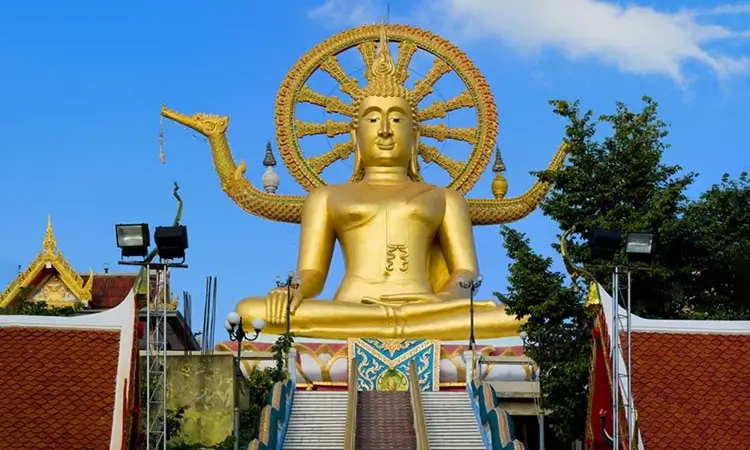
Wat Phra Yai (Big Buddha Temple) – Photo Credit: renown-travel
Wat Plai Laem: A stunning modern temple complex featuring an 18-armed statue of Guanyin (the Goddess of Mercy) and a large, fat Chinese Buddha, all set on a lake.
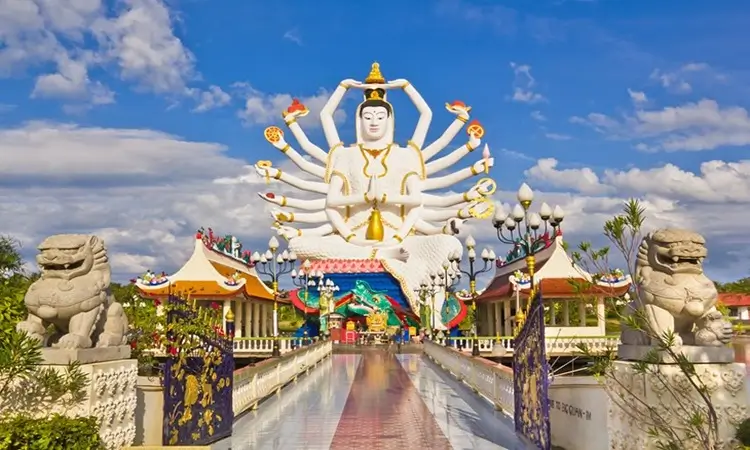
The Wat Plai Laem in Koh Samui – Photo Credit: sunleisureworld
Wat Khunaram (Mummified Monk): This temple houses the remarkably preserved body of Luang Pordaeng, a monk who died while meditating in 1973.
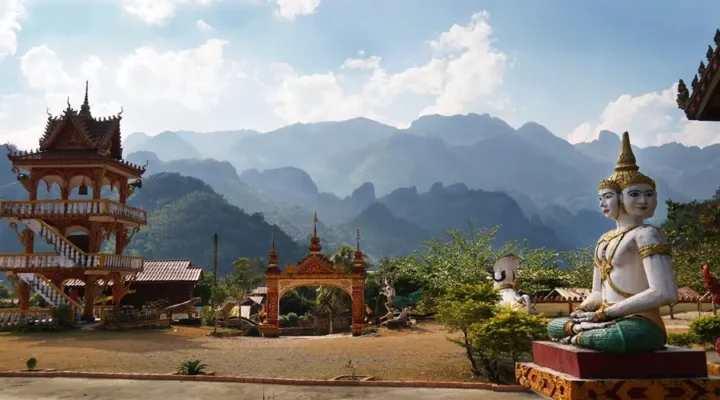
Secret Buddha Garden (Tarnim Magic Garden): Located high in the hills, this hidden jungle retreat features dozens of hand-carved statues, mystical sculptures, and small waterfalls.
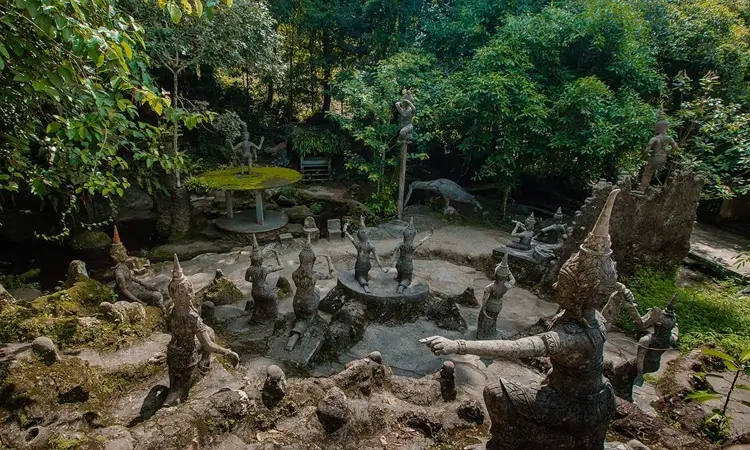
Secret Buddha Garden (Tarnim Magic Garden) – Photo Credit: sonneaufderhaut
Natural Wonders & Island Hopping:
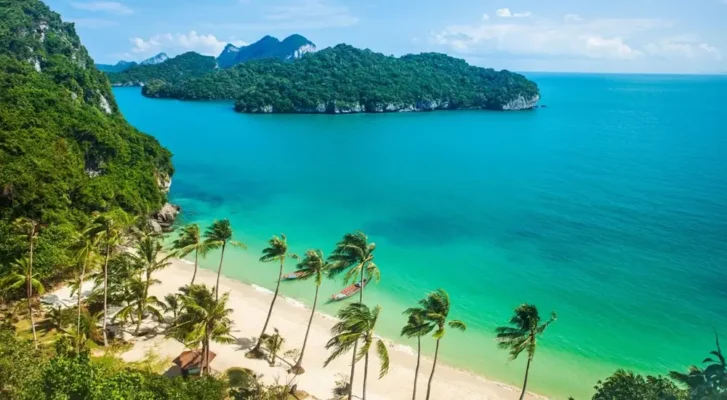
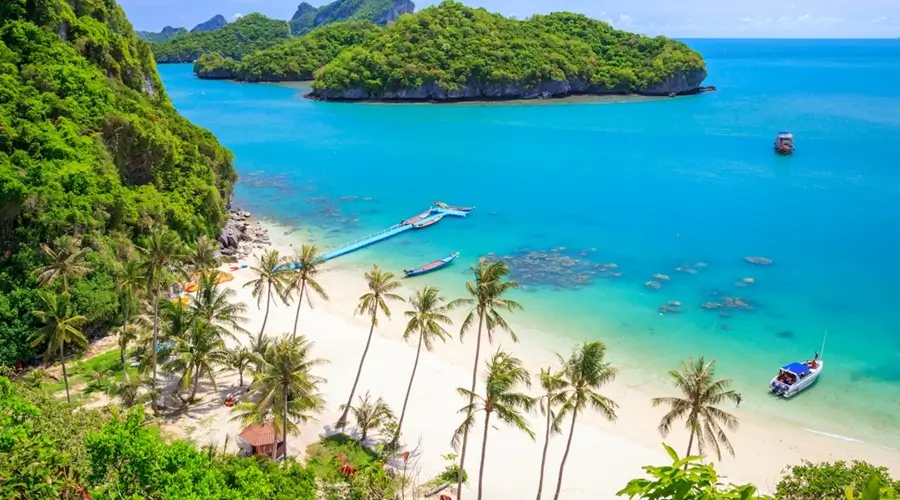
Ang Thong National Marine Park: A breathtaking archipelago of 42 islands. Top activities include hiking to the Pha Jun Jaras Viewpoint, kayaking through limestone caves, and visiting the Emerald Lagoon.
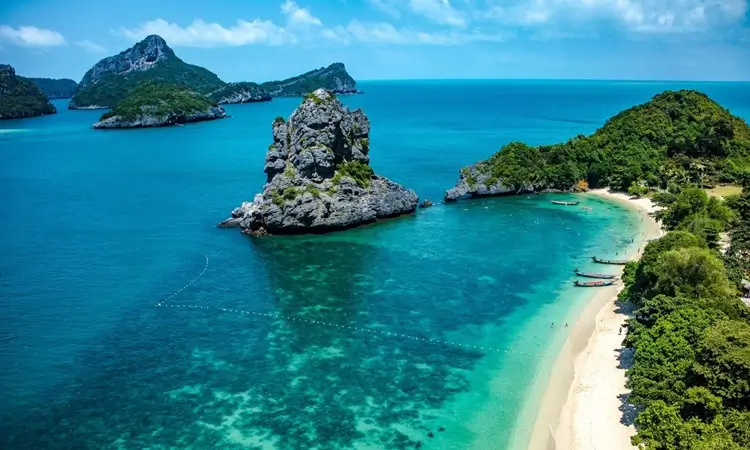
Ang Thong National Marine Park – Photo Credit: asiantrails
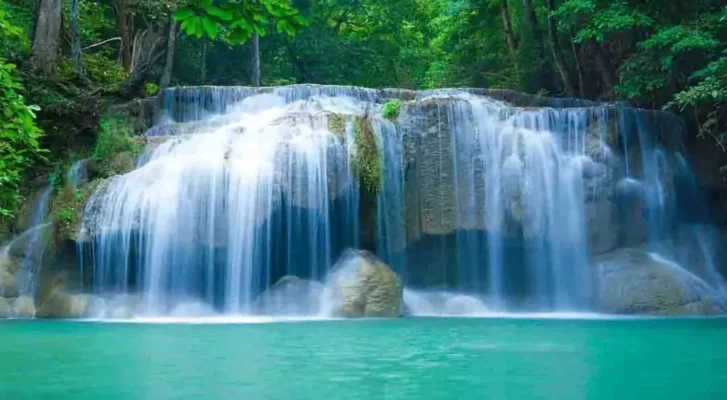
Na Muang Waterfalls: The island’s most famous cascades. The Na Muang 1 is easily accessible with a large swimming pool, while Na Muang 2 requires a steeper hike for more dramatic views.
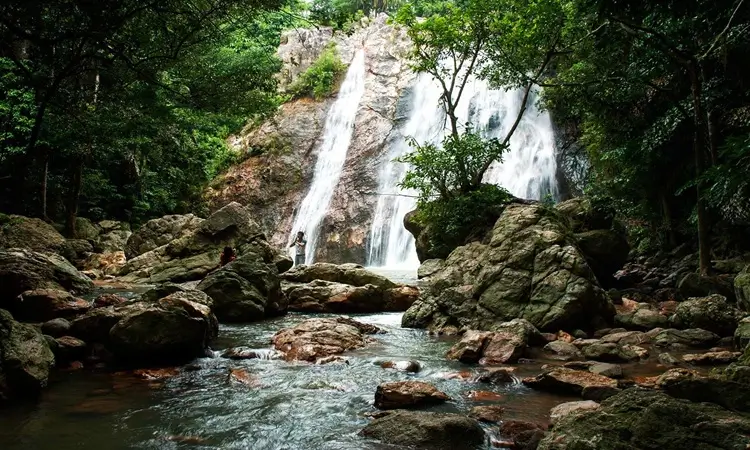
Na Muang Waterfalls – Photo Credit: bestpricetravel
Hin Ta and Hin Yai (Grandfather and Grandmother Rocks): Unusual natural rock formations on Lamai Beach known for their resemblance to male and female genitalia.
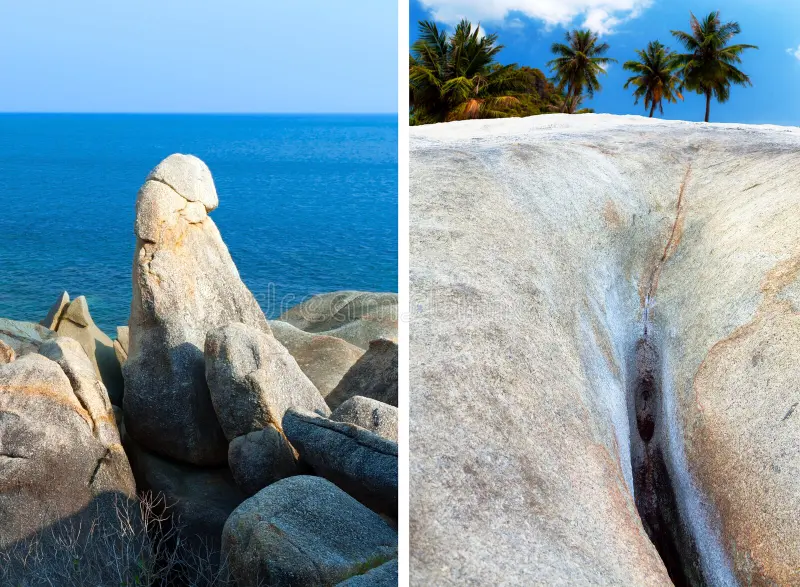
Hin Ta and Hin Yai (Grandfather and Grandmother Rocks) – Photo Credit: dreamstime
Koh Madsum (Pig Island): A popular day trip where friendly, rescued pigs roam freely on a white-sand beach. It is often combined with snorkeling at nearby Koh Tan.
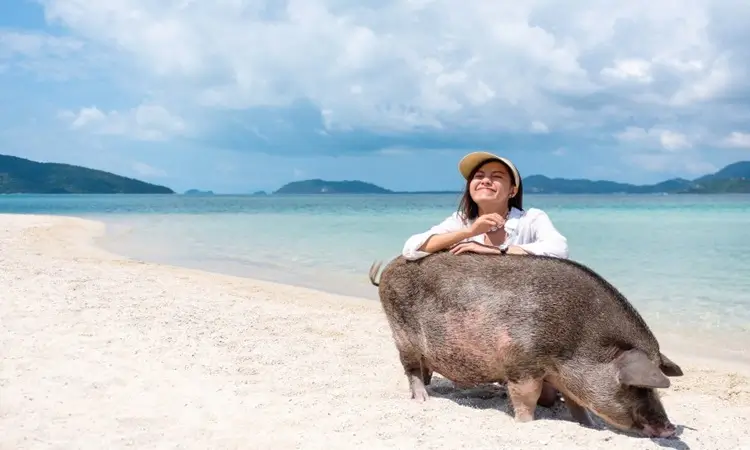
Koh Madsum (Pig Island) in Koh Samui – Photo Credit: royalvacationdmc
Best Beaches for Every Traveler:
Chaweng Beach: The island’s most popular and developed beach, offering soft white sand, extensive water sports, and a vibrant nightlife scene.
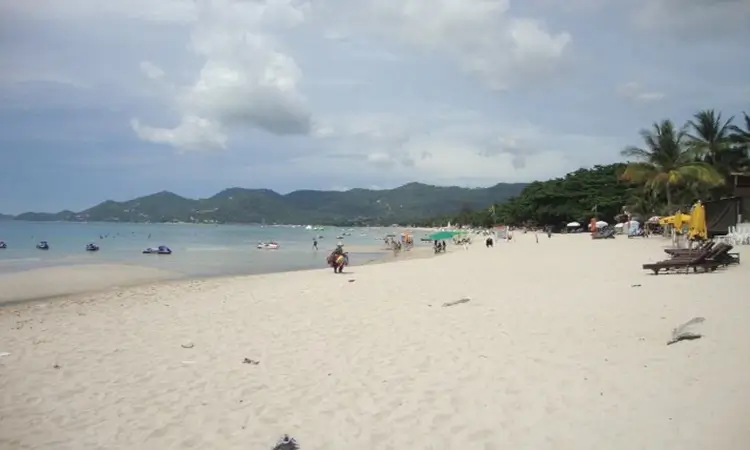
Chaweng Beach – Photo Credit: easydaysamui
Lamai Beach: A slightly more laid-back alternative to Chaweng with excellent swimming waters and a wide selection of dining options.
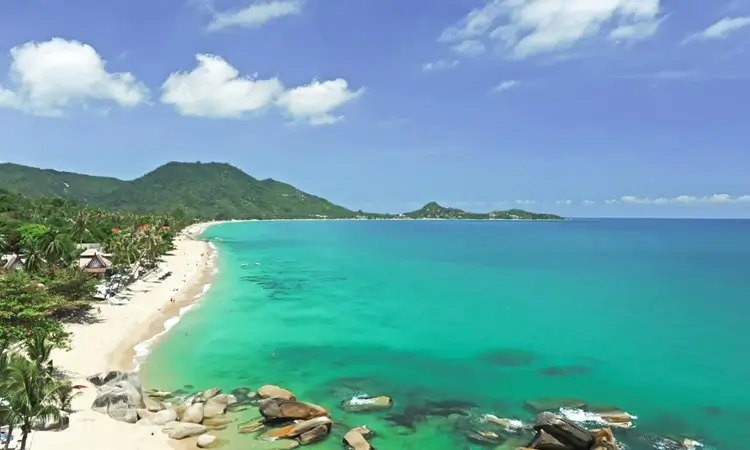
Lamai Beach – Photo Credit: digitaltravelcouple
Bophut Beach & Fisherman’s Village: Known for its charming historic wooden buildings, upscale beachfront dining, and the lively Friday Night Market.
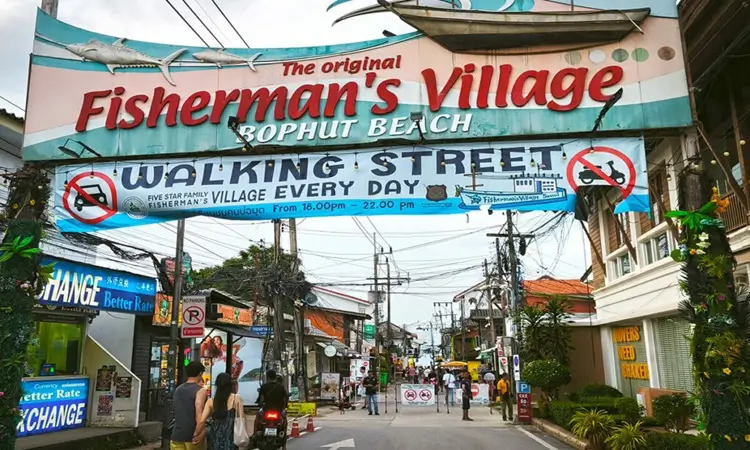
Bophut Beach & Fisherman’s Village – Photo Credit: samuiislandexplorer
Choeng Mon Beach: A series of small, sheltered bays with calm waters, making it ideal for families and luxury travelers.
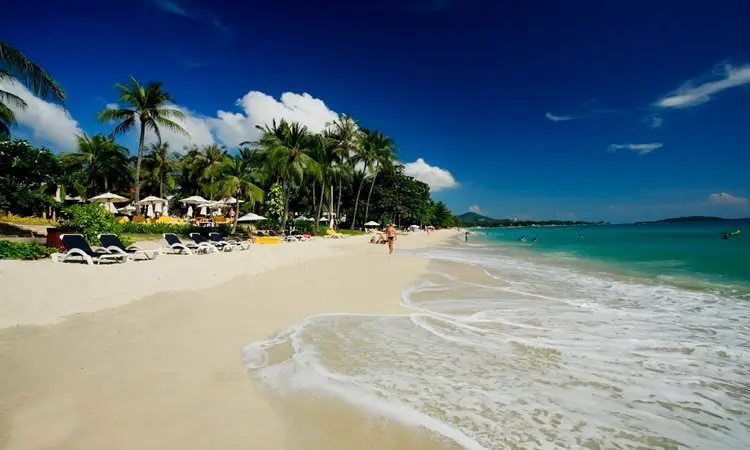
Choeng Mon Beach – Photo Credit: theprivateworld
Lipa Noi Beach: Located on the west coast, it offers shallow, rock-free water and is widely considered the best spot for sunset views.
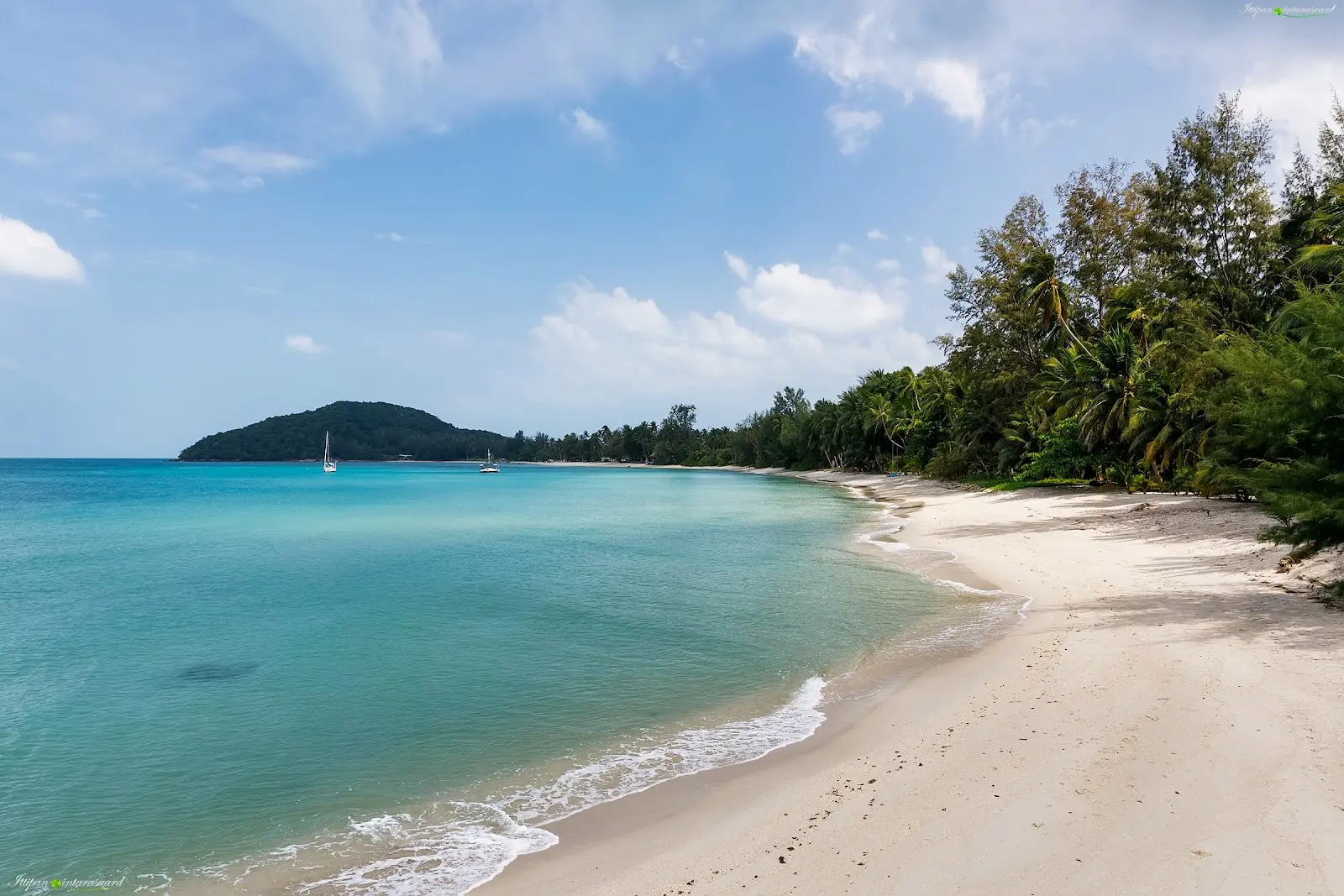
Lipa Noi Beach – Photo Credit: airial
Top Activities & Experiences:
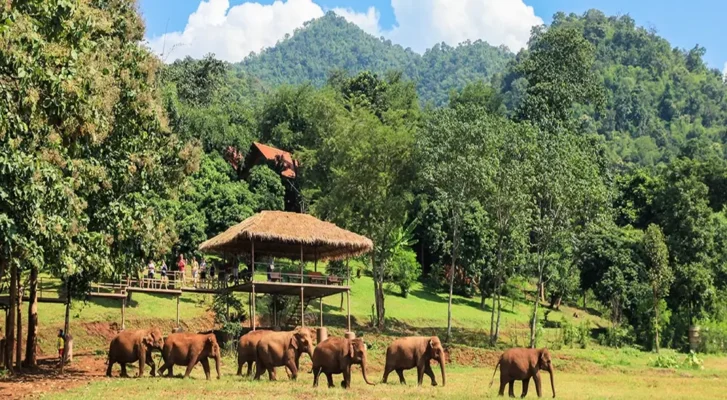
Ethical Elephant Encounters: Visit award-winning sanctuaries like the Samui Elephant Sanctuary or Samui Elephant Kingdom to observe and feed rescued elephants in a respectful environment.
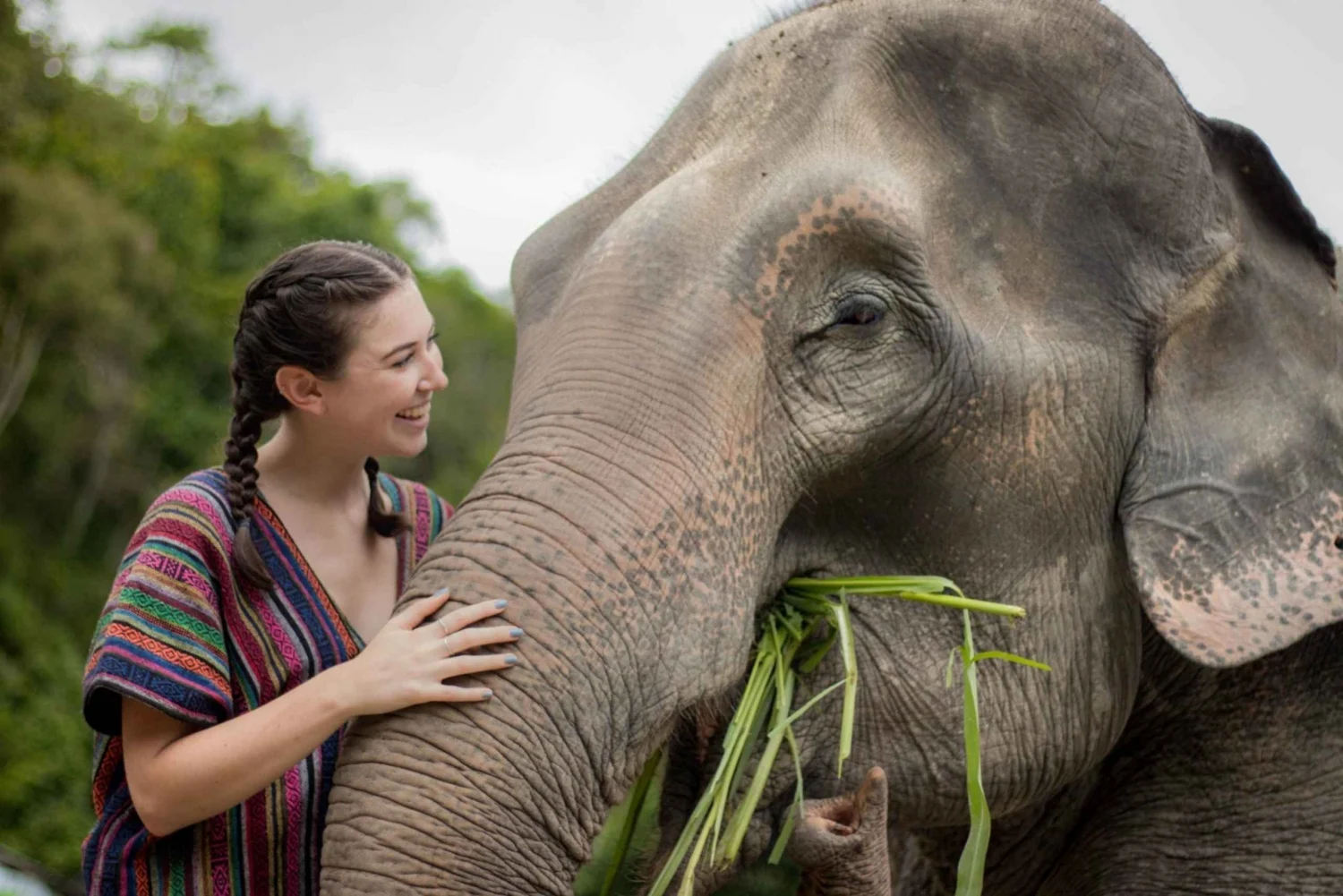
Ethical Elephant Encounters – Photo Credit: myguidekohsamui
Adventure Sports – Explore the interior jungle via ATV quad bike tours or fly through the canopy on the Tree Bridge Zipline. Wellness & Spas – Indulge in traditional Thai treatments at world-class facilities like Tamarind Springs Forest Spa or Eranda Herbal Spa. Thai Cooking Classes – Learn to make authentic dishes at schools like Island Organics or the Lamai Thai Cooking School.
Nightlife & Shopping:
Night Markets: Don’t miss the Fisherman’s Village Walking Street on Fridays or the daily Chaweng Night Market for local street food and souvenirs.
Beach Clubs: Relax in style at Coco Tam’s in Bophut (famous for its fire shows) or Ark Bar in Chaweng for a high-energy party atmosphere.
Central Samui: The island’s largest shopping mall, located in Chaweng, offering international brands, a food court, and entertainment.
Koh Samui Thailand Weather/Climate and Best Time to Visit:
Koh Samui features a tropical monsoon climate with warm temperatures year-round, typically ranging from 24°C to 34°C (75°F to 93°F). Unlike the Andaman coast (e.g., Phuket), Koh Samui’s weather is governed by the Gulf of Thailand, resulting in a unique seasonal rhythm where the heaviest rains occur late in the year.
Best Time to Visit Koh Samui Island:
Overall Best (Dry Season): Late December to April. This period offers the most reliable sunshine, calm seas, and lower humidity, making it ideal for beach activities and island hopping.
Best for Budget (Shoulder Season): May to September. While hotter with occasional brief afternoon showers, you will find lower hotel rates and fewer crowds.
Best for Diving/Snorkeling: March to August. These months provide the best underwater visibility (up to 30 meters) and the highest chance of spotting whale sharks.
Seasonal Breakdown in Koh Samui Island:
Dry Season (December – February): Characterized by clear skies and refreshing breezes. January and February are statistically the sunniest months. This is peak tourist season with the highest prices.
Hot Season (March – August): Temperatures peak in April and May, often exceeding 33°C (91°F). Short, tropical thunderstorms become more frequent from May onwards but usually pass quickly.
Rainy/Monsoon Season (September – November): The island is at its lushest, but rainfall peaks significantly in November, which can see over 400mm of rain. Seas can be rough, and some boat tours to Ang Thong Marine Park may be suspended.
Average Monthly Weather in Koh Samui Island
Month | Avg Temp (°C) | Rainfall (mm) | Conditions |
| Jan | 26°C | 60–90mm | Pleasant, sunny, peak season |
Feb | 27°C | 20–50mm | Driest and sunniest month |
| Mar | 27°C | 20–80mm | Hot, clear skies, excellent diving |
Apr | 28°C | 40–100mm | Hottest month; Songkran festival |
| May | 29°C | 150mm+ | Very hot with occasional showers |
Jun | 29°C | 100mm | Warm, sunny, good summer alternative |
Jul/Aug | 29°C | 100mm | Festive; popular for summer holidays |
| Sep | 29°C | 150mm | Transition to rainy season; quiet |
Oct | 28°C | 200–300mm | Wet; start of monsoon season |
| Nov | 27°C | 300–480mm | Wettest month; heavy downpours |
| Dec | 26°C | 150mm | Tapering rain; return of peak crowds |
Accommodation and Best Places to Stay in Koh Samui Thailand:
Koh Samui Island offers a vast range of accommodations, from ultra-luxury pool villas to vibrant social hostels. In 2026, the island remains a top global destination, with areas like Chaweng serving those seeking nightlife, while Bophut and Mae Nam cater to families and travelers looking for tranquility.
Luxury Resorts & Romantic Getaways:
These high-end properties offer private pool villas, exclusive beach access, and world-class spas.
– Four Seasons Resort Koh Samui: Famous as a filming location for HBO’s The White Lotus Season 3, this resort on the peaceful Laem Yai Bay features hillside villas with private infinity pools and unique indoor/outdoor bathrooms.
– Conrad Koh Samui: Located on the secluded southwest tip, this resort is ideal for honeymooners, offering 10-meter private infinity pools and panoramic sunset views of the Gulf of Thailand.
– W Koh Samui: A stylish, high-energy resort located between Mae Nam and Bophut, known for its iconic “WOOBAR” and private pool villas.
– Six Senses Samui: Situated on the northern tip at Choeng Mon, it offers ultra-private, multi-level pool villas with expansive sea views.
Family-Friendly Stays:
These resorts provide kids’ clubs, multiple pools, and proximity to safer, calmer beaches.
– Holiday Inn Resort Samui Bophut Beach: Widely considered the best value for families, it features a massive kids’ pool, water slides, a playground, and “kids stay and eat free” packages.
– Melia Koh Samui: Located on Choeng Mon Beach, this resort is famous for its unique suites made from recycled teak wood boats and a large loop pool that winds through the property.
– Anantara Bophut Koh Samui Resort: A sophisticated yet family-oriented option near Fisherman’s Village, offering a dedicated kids’ club and diverse daily activities.
– Hyatt Regency Koh Samui: A modern resort in North Chaweng featuring tiered pools, a water slide, and a club lounge with dedicated family amenities.
Mid-Range & Boutique Options:
These options are the perfect for travelers seeking a balance of comfort and value.
– Hansar Samui Resort: A luxury boutique hotel in Bophut where every room offers an unobstructed sea view and a large private balcony. It is just steps from the historic Fisherman’s Village.
– Explorar Koh Samui: An adults-only resort in Mae Nam that caters to young couples and digital nomads, featuring a 50m infinity pool, swim-up bar, and co-working spaces.
– Karma Resort: A stylish 4-star “boho-chic” resort in Bophut popular for its intimate atmosphere and proximity to beachfront dining.
– SALA Samui Choengmon Beach: Known for its minimalist white design and private courtyard pool villas in a quiet, upscale neighborhood.
Hostels & Budget Stays:
These are ideal for solo travelers, backpackers, and digital nomads.
– Lub D Koh Samui Chaweng Beach: A high-end “social hotel” that blends dorms with private sea-view rooms. It features two beachfront pools and a lively bar.
– Chill Inn Samui: A top-rated beachfront hostel on Lipa Noi Beach known for its friendly social vibe, outdoor showers, and affordable dorms.
– The Beachfront Hostel: Located in the heart of Chaweng, this hostel offers direct beach access and allows guests to use the pool and facilities of the adjacent resort.
– Bad Monkey Hostel: A budget-friendly option in Chaweng popular for its comfortable beds, large communal areas, and significant discounts at the on-site bar for guests.
Transportation and Getting Around in Koh Samui Island Thailand:
Transportation in Koh Samui Island offers a blend of traditional Thai transit and modern ride-hailing apps. While the island is small, the lack of a formal bus system and high taxi prices make planning ahead essential.
Ride-Hailing Apps:
Ride-hailing is often the most convenient and transparent way to travel in Koh Samui Island of Thailand. As the prices are fixed in the app, avoiding the need for negotiation.
– Grab: The most popular and flexible app. It offers cars and motorbike taxis and allows card payments. Note that Grab is generally not permitted to pick up passengers inside the Samui Airport arrivals area.
– Bolt: Typically cheaper than Grab, though fewer drivers may be available in remote areas.
– inDrive: Often the cheapest option as it allows you to offer your own fare, but it usually requires cash payments.
Public & Local Transport:
– Songthaews (Pick-up Taxis): These red “two-row” trucks are the only form of public transport. During the day, they follow fixed routes around the main ring road (e.g., Nathon to Chaweng).
+ How to use: Flag one down, state your destination, and agree on the price before boarding.
+ Cost: Expect to pay 50–150 THB for standard routes during the day. After 6 PM, they often operate as private taxis with much higher negotiated rates.
– Official Taxis: Recognizable by their yellow and red colors. They rarely use meters; you must negotiate a flat fee upfront. A short trip between beaches typically starts at 400–600 THB.
– Motorbike Taxis: Drivers wear high-visibility vests (often blue or orange) and are ideal for quick, short solo trips.
Private Rentals:
– Scooter/Motorbike Rental: The most flexible and affordable option, with prices starting around 250 THB per day. Popular vendors include Just Drive Koh Samui and ID Car and Scooter Rentals.
+ Warning: Koh Samui Island has high accident rates; rentals are only recommended for experienced riders with a valid license and helmet.
– Car Rental: A safer alternative for families or groups, starting at approximately 800–1,200 THB per day. Major agencies like Drive Car Rental operate at the airport.
– Private Driver: For stress-free exploration, you can book a car or minivan with a driver for 4–8 hours through services like Mr. Samui or Smile Samui Tour.
Airport & Inter-Island Transfers:
– Airport Transfers: To avoid high on-arrival rates, it is highly recommended to pre-book a private transfer through your hotel or services like Welcome Pickups.
– Ferries: Major piers like Nathon, Maenam, and Bangrak connect to Koh Phangan and Koh Tao via operators like Lomprayah High Speed Catamaran and Seatran Discovery.