Introduction about Phuket Thailand:
Phuket Thailand Travel Guide: Known as the “Pearl of the Andaman,” Phuket is Thailand’s largest island and a major southern province. Located approximately 862 kilometers south of Bangkok, it covers 543 square kilometers and is connected to the mainland by the Sarasin Bridge.
As of 2026, Phuket’s population varies significantly depending on whether official residency or total presence (including non-registered workers and tourists) is measured.
Current Population Estimates (2026):
– Metro Area Population: The current estimated population for the Phuket metro area is approximately 466,495 people. This reflects a steady annual growth of about 1.08% to 1.23%.
– Total Resident Influx: While official registered numbers are often lower, parliamentary reports in late 2025 estimated that the total effective resident population, including those from other provinces and non-registered residents, is closer to 2,000,000 people.
– Seasonal Fluctuations: During the peak tourist season (November–March), the population grows exponentially due to the arrival of millions of visitors, reaching its highest density of the year.
Brief History of Phuket Thailand:
Phuket ’s history is a rich narrative of maritime trade, colonial-era competition for resources, and cultural fusion, largely driven by its strategic position on ancient trade routes between India and China.
Early History and Trading Hub:
– Ancient Roots: Settled as early as the 1st century BCE, the island was historically inhabited by indigenous tribes and Chao Leh (sea gypsies).
– Junk Ceylon: For centuries, Westerners knew the island as “Junk Ceylon,” a corruption of the Malay Tanjung Salang (Cape Salang).
– Ayutthaya Era: Phuket became part of the Siamese Ayutthaya Kingdom around the 16th century. During this time, it emerged as a critical trading post and a major source of tin, attracting Dutch, English, and French interests.
The Battle of Thalang (1785)
The most celebrated event in Phuket’s history occurred in 1785 during a Burmese invasion.
– The Two Heroines: Following the death of the island’s governor, his widow, Lady Chan, and her sister, Lady Muk, organized the island’s defense.
– The Ruse: Legend tells that they ordered local women to dress as male soldiers to fool the Burmese into overestimating their strength.
– Recognition: After a month-long siege, the Burmese retreated. King Rama I later bestowed upon them the noble titles Thao Thep Kasattri and Thao Sri Sunthon.
The Tin Boom and Chinese Influence
In the 19th and early 20th centuries, Phuket underwent a massive transformation driven by the “Tin Rush”.
– Hokkien Immigration: Thousands of Chinese laborers, mainly Hokkien, migrated to work in the mines, eventually making up over half the population.
– Sino-Portuguese Heritage: Wealthy “tin barons” built grand mansions and shophouses in what is now Phuket Old Town, blending Chinese and European architectural styles.
– Peranakan Culture: The intermarriage of Chinese miners and local Thai women created the unique Baba-Nyonya (Peranakan) culture, which still influences the island’s cuisine and traditions.
Modern Era: From Rubber to Tourism
– Agricultural Shift: As tin deposits were depleted in the early 20th century, vast areas of rainforest were cleared for rubber plantations, which remained a primary industry for decades.
– Rise of Tourism: Mass tourism began in the 1970s with the first bungalows at Patong Beach. The opening of the Sarasin Bridge (1967) and the international airport (1976) facilitated rapid growth into a global resort destination.
– Resilience: The island faced significant challenges in recent history, including the devastating 2004 Indian Ocean Tsunami and the economic impact of the COVID-19 pandemic, successfully recovering as a major travel hub by 2026.
What to See, Places to Visit and Best Things to Do:
Phuket offers a diverse range of activities, from exploring historical sites to island hopping and wildlife encounters.
Iconic Landmarks & Cultural Sites:
– The Big Buddha: Perched atop Nakkerd Hill, this massive, 45-meter-tall white marble statue is one of the island’s most important and visible landmarks. The site offers a peaceful atmosphere and spectacular panoramic views of the island and the Andaman Sea.

The Big Buddha (Photo Credit: simbaseatrips)
– Wat Chalong: The largest and most revered Buddhist temple in Phuket, known for its stunning architecture and the grand pagoda which is said to house a splinter of the Buddha’s bone. Visitors should dress modestly, covering shoulders and knees.

Wat Chalong (Photo Credit: umetravel)
– Phuket Old Town: Wander through charming streets like Thalang Road and Soi Romanee to admire the colorful Sino-Portuguese mansions and shophouses that reflect the island’s tin-mining history. This area is full of unique boutiques, cafes, and street art.

Phuket Old Town (Photo Credit: homa)
– Promthep Cape: Located at the southernmost tip of Phuket, this is a very popular spot, especially at sunset, offering breathtaking views over the Andaman Sea and nearby islands.

Promthep Cape (Photo Credit: discoverythailand)
Beaches & Island Hopping:
Phuket Island is a gateway to some of the most beautiful islands in Thailand, and its own beaches offer diverse experiences.
– Phi Phi Islands: A must-do day trip, featuring jungle-shrouded cliffs, clear turquoise waters perfect for snorkeling, and the famous Maya Bay (note: environmental closures may apply at certain times of the year).

Phi Phi Islands (Photo Credit: phiphitravelandtours)
– James Bond Island (Ko Khao Phing Kan): Visit the iconic limestone karsts that famously appeared in the movie The Man with the Golden Gun. Tours often include sea canoeing through nearby caves and mangroves in Phang Nga Bay.

James Bond Island Phuket (Photo Credit: lovephukettours)
– Patong Beach: The most famous and lively beach area, known for its wide stretch of sand, water sports, shopping centers (like Jungceylon), and vibrant nightlife along Bangla Road.

Patong Beach Phuket (Photo Credit: pavaragroup)
– Quieter Beaches: For a more relaxed atmosphere, consider visiting Kata Noi, Kamala, or Nai Harn beaches, which are known for their serene environments and soft sand.
Unique Experiences & Activities:
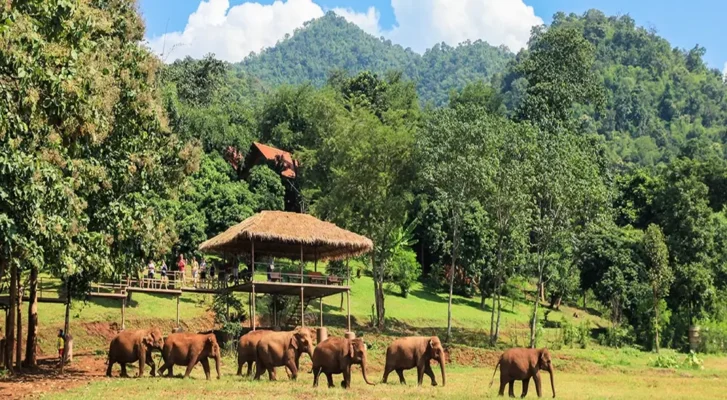
– Ethical Elephant Sanctuaries: Interact with rescued elephants in a responsible and compassionate way. Sanctuaries like the Phuket Elephant Sanctuary focus on education and observation, allowing elephants to roam and bathe freely in a natural environment.

Ethical Elephant Sanctuaries in Phuket (Photo Credit: responsiblethailand)
– Thai Cooking Class: Learn to prepare authentic Southern Thai cuisine with a local instructor. Many classes include a market tour to select fresh ingredients.

Thai Cooking Class in Phuket (Photo Credit: phuketthaicookingacademy)
– Night Markets: Explore vibrant markets like the Phuket Weekend Market (Naka Market) or the Sunday Walking Street Market (Lard Yai) in Old Town for an endless variety of street food, clothes, and souvenirs.

Night Markets in Phuket (Photo Credit: phuketsailtours)
– Adventure Activities: Get your adrenaline pumping with activities like ziplining through the rainforest canopy at Hanuman World or taking an ATV tour to the Big Buddha viewpoint.
Phuket Thailand Weather/Climate and Best Time to Visit:
Phuket has a tropical monsoon climate with two main seasons: a dry, high season and a wet, low season. The best time to visit is from December to March for ideal weather conditions.
Phuket Weather and Climate:
Phuket is warm year-round, with average temperatures generally staying between 25°C and 34°C (77°F to 93°F). The climate is dictated by the tropical monsoon, which reverses direction seasonally, creating two distinct periods:
– Dry Season (High Season): November to April This period is characterized by the northeast monsoon, bringing cooler, drier air, calm seas, and minimal rainfall. This is the most popular time to visit due to the guaranteed sunshine and excellent conditions for water activities like snorkeling and diving.
– Wet Season (Low Season/Monsoon Season): May to October The southwest monsoon brings warm, moist air and higher levels of rainfall and humidity. While it rains more often, the showers are usually short and heavy, often occurring in the afternoon, and are interspersed with plenty of sunshine. The sea can be rougher during this time, with strong currents.
– Hottest Months: April and May are typically the hottest months of the year, with temperatures sometimes reaching up to 36°C (97°F).
Best Time to Visit Phuket:
The ideal time to visit Phuket depends on your preferences:
– For Perfect Weather & Beach Activities: The absolute best months are December to March. This peak season offers clear blue skies, calm seas, excellent water visibility for diving, and comfortable temperatures. Note that this time also brings larger crowds and higher prices for accommodation and flights.
– For Fewer Crowds & Better Prices: Consider the low season from May to October. You will find great deals on hotels and a more relaxed atmosphere. While you risk more rain, the island is lush and green, and there are often long sunny spells between showers. This period is also popular with surfers, as the rougher seas create good waves at beaches like Kata and Kalim.
– For a Balance of Both: The shoulder months of November and April offer a good compromise. November marks the beginning of the dry season with less humidity, while April is hot but offers good weather before the full monsoon arrives.
Accommodation and Best Places to Stay in Phuket Thailand:
Phuket offers a wide range of accommodation options, from luxury resorts to budget guesthouses, spread across different areas of the island that cater to various travel styles and preferences.
Types of Accommodation:
Phuket Thailand provides an extensive spectrum of lodging to suit any budget or preference:
– Luxury Resorts & Private Villas: Found in areas like Kamala, Laguna, and Cape Panwa, these often feature private pools, spas, and exclusive beach access.
– Mid-Range Hotels & Boutiques: Plentiful in popular tourist areas like Karon and Kata, offering comfortable stays with modern amenities and pool access.
– Budget Guesthouses & Hostels: Concentrated in Phuket Old Town and Patong, ideal for backpackers and solo travelers looking for affordable options and a social atmosphere.
Best Places (Beaches/Areas) to Stay:
The “best” place depends entirely on your desired holiday vibe:
| Area | Best For | Vibe & Atmosphere | Highlights |
| Patong Beach | Nightlife, Partying, Budget Travel | Energetic, busy, vibrant, and sometimes chaotic. | Bangla Road nightlife, extensive shopping, many restaurants. |
| Karon Beach | Families, Balance, Water Sports | Large, long stretch of sand; quieter than Patong but still well-developed. | Good snorkeling spots, Karon Market, diverse dining. |
| Kata Beach | Surfing, Relaxation, Couples | Trendy, relaxed atmosphere, great restaurants, surf-friendly waves in monsoon season. | Surf House Phuket, calm bay, clear water, nearby Kata Noi beach. |
| Kamala Beach | Couples, Mid-Range, Longer Stays | Laid-back and mature, more traditional village feel, less crowded. | Phuket FantaSea show, proximity to Cafe del Mar beach club, local feel. |
| Phuket Old Town | Culture, History, Foodies | Historical, artistic, charming, authentic Thai-Chinese experience. | Sino-Portuguese architecture, Sunday Walking Street Market (Lard Yai), street art, boutique cafes. |
| Rawai/Nai Harn | Locals, Serenity, Long-Term Stays | Peaceful, authentic, southernmost tip of the island, great for sunsets. | Promthep Cape viewpoint, Gypsy fish market, chilled atmosphere. |
| Bang Tao/Laguna | Luxury, Golfers, High-End | Exclusive, resort-focused, upmarket area with sophisticated dining options. | Laguna Phuket complex (multiple resorts), high-end spas, golf course. |
Transportation and Getting Around in Phuket Thailand:
Phuket offers various transportation options for tourists, ranging from app-based rideshares to traditional tuk-tuks and local buses.
Arrival: Getting from Phuket International Airport (HKT) to Your Hotel
Once you arrive at HKT Airport, you have several options to reach your accommodation:
– Airport Taxi (Limousine): This is the most convenient option, offering fixed, standardized rates to popular beaches and Phuket Town. Tickets are purchased from official counters in the arrivals hall.
– Airport Smart Bus: The most affordable option. The bus runs a fixed route from the airport along the main west coast road, stopping at major beaches like Patong, Karon, and Kata. It’s best if you have light luggage and time.
– Minibus/Shared Van: A slightly cheaper alternative to a private taxi, but vans will stop at multiple hotels, making the journey longer.
– Ride-Sharing Apps: Grab and Bolt services operate from the airport. You’ll need to use your phone to book a ride once you exit the terminal, and these are often cheaper than the official airport taxis.
Getting Around Phuket Island in Thailand
The main methods of local transport in Phuket Island include:
| Transport Type | Pros | Cons | Best For |
| Tuk-Tuks | Ubiquitous, convenient for short trips | Expensive compared to others requires price negotiation, sometimes noisy/slow | Short hops within beach towns or late at night. |
| Ride-Sharing Apps (Grab, Bolt) | Fixed pricing, convenient, often cheaper than tuk-tuks | Sometimes hard to find a driver in remote areas, occasional cancellation issues | General travel between major points of interest. |
| Phuket Smart Bus | Very affordable, connects main west coast beaches | Fixed route and timetable, can be slow | Budget travelers moving between beaches during the day. |
| Rental Motorbike/Scooter | Freedom, flexibility, cheapest for solo travel | Dangerous, requires proper license/insurance, heavy traffic, scams possible | Experienced riders only who are confident in chaotic traffic. |
| Songthaews (Open-Air Buses) | Very cheap, authentic local experience | Fixed routes (usually in/out of Phuket Town), infrequent schedule | Traveling to or from Phuket Old Town during the day. |
| Private Taxi/Car Rental | Comfort, air-conditioned, reliable | Most expensive option | Day trips, large groups, or airport transfers. |
Travel Tips for Transportation:
– Negotiation is Key (for Tuk-Tuks): Tuk-tuk and non-metered taxi drivers usually do not use meters, and you must negotiate the fare before you start your journey. Fares are significantly higher than typical Thai transport costs (e.g., 200-400 THB for a short hop).
– Apps are Cheaper: Using apps like Grab or Bolt will usually give you a fairer, pre-determined price for most journeys around the Phuket Island compared to street taxis.
– Safety First: If you rent a scooter, wear a helmet and ensure you have valid insurance. Traffic in Phuket Island can be heavy and unpredictable.