Introduction about Chiang Rai Thailand:
Chiang Rai Thailand Travel Guide: Established in 1262 by King Mangrai, Chiang Rai is Thailand’s northernmost city and serves as the capital of the eponymous province. Often described as a more “laid-back” and “sleepy” alternative to its neighbor Chiang Mai, it is a major cultural hub deeply rooted in Lanna heritage.
As of early 2026, Chiang Rai is both a major city and the northernmost province of Thailand. Its area and population details are as follows:
Chiang Rai Province:
The province encompasses a vast mountainous region bordering Myanmar and Laos.
– Total Area: Approximately 11,503 to 11,678 square kilometers (roughly 4,441 to 4,509 square miles).
– Total Population: Estimated at 1,298,000 to 1,300,000 as of 2024–2025.
– Population Density: Roughly 113 people per square kilometer.
– Demographics: The population includes a significant representation of various hill tribes, making up about 12.5% of the total.
Chiang Rai City & Metro Area:
The city serves as the provincial capital and is the main urban hub.
– City Municipality Area: Covers approximately 60.85 square kilometers (23.5 square miles).
– Metro Area Population (2026): Projections for 2026 estimate the metro area population at 593,585 to 594,000. This “metro” figure typically includes the urban agglomeration and adjacent suburban districts.
– City Center Population: The core city municipality (the central “Wiang” area) has a smaller, concentrated population of approximately 70,000 to 77,500 people.
Brief History of Chiang Rai Thailand:
Chiang Rai ‘s history is defined by its role as the birthplace of the Lanna Kingdom and its strategic position as a northern frontier.
Historical Timeline:
– Foundation (1262): King Mangrai founded the city and established it as the first capital of the Lanna Kingdom (“Kingdom of a Million Rice Fields”).
– Discovery of the Emerald Buddha (1432/1434): According to legend, a lightning strike or earthquake split a pagoda at Wat Phra Kaew, revealing the Emerald Buddha, Thailand’s most sacred icon, hidden inside.
– Burmese Rule (1558–1786): The city was conquered by the Burmese Taungoo Dynasty and remained under their control for over 200 years, leading to a period of relative decline.
– Integration with Siam (1786–1933): After the Burmese were expelled, Chiang Rai became a vassal of Siam (modern-day Thailand). It was officially declared an independent province of Thailand in 1910 (or 1933, depending on administrative definitions).
– The Golden Triangle Era: In the mid-20th century, the region became infamous as the hub of the Golden Triangle, a global center for opium production.
– Modern Renaissance (1980s–Present): Large-scale development projects, led by the Mae Fah Luang Foundation, transformed the region from an opium-based economy to one focused on tea, coffee, and tourism.
Cultural Impact:
The city’s “Lanna” identity remains distinct from Central Thailand, visible in its unique Tai Yuan dialect, architecture, and food. This heritage has been revitalized in recent years by world-renowned local artists, such as Chalermchai Kositpipat, who created the iconic White Temple.
What to See, Places to Visit and Best Things to Do:
Chiang Rai is defined by its world-class contemporary religious art, its historical role in the Golden Triangle, and its lush mountain landscapes. For a comprehensive experience in 2026, most visitors spend three days exploring the central temples, northern border regions, and surrounding nature.
Iconic Temples & Art:
These three sites are the city’s most famous landmarks and are often visited together in a single day.
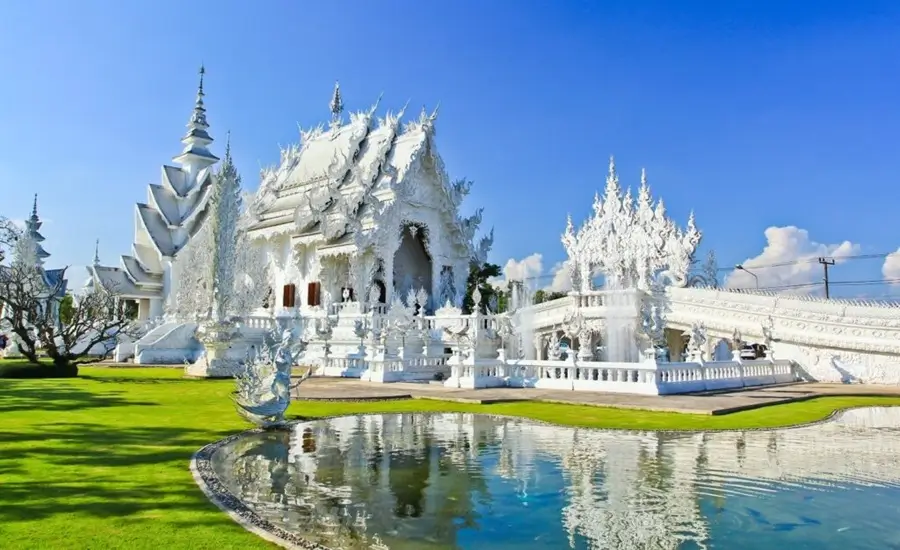
– Wat Rong Khun: A stunning, all-white masterpiece designed by artist Chalermchai Kositpipat. It features intricate mirror mosaics and pop-culture icons like Spiderman integrated into its murals. It is best visited before 10:00 AM to avoid large tour groups.
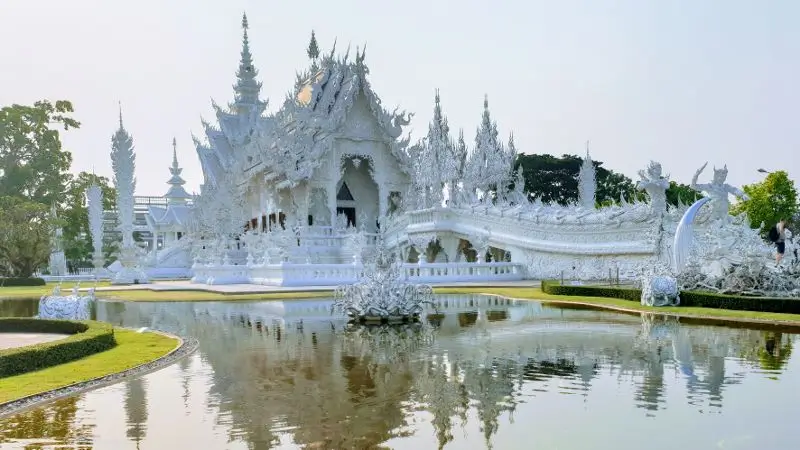
Wat Rong Khun or White Temple – Photo Credit: olsentours
– Wat Rong Suea Ten or Blue Temple: Known for its vibrant blue interior and gold detailing, this modern temple was designed by a student of the White Temple’s architect. Entry is free, and it is open daily from 7:00 AM to 8:00 PM.
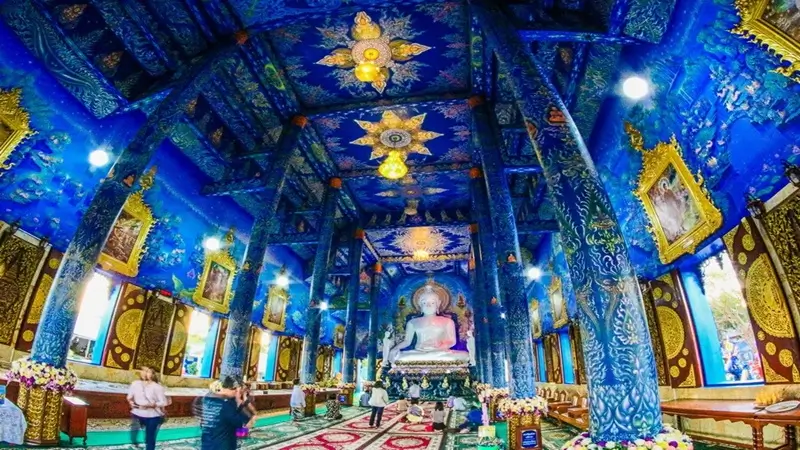
Wat Rong Suea Ten or Blue Temple – Photo Credit: thailandhilltribeholidays
– Baan Dam Museum: A complex of over 40 dark, Gothic-style wooden structures created by artist Thawan Duchanee. It houses a unique collection of animal bones, skins, and unconventional art.
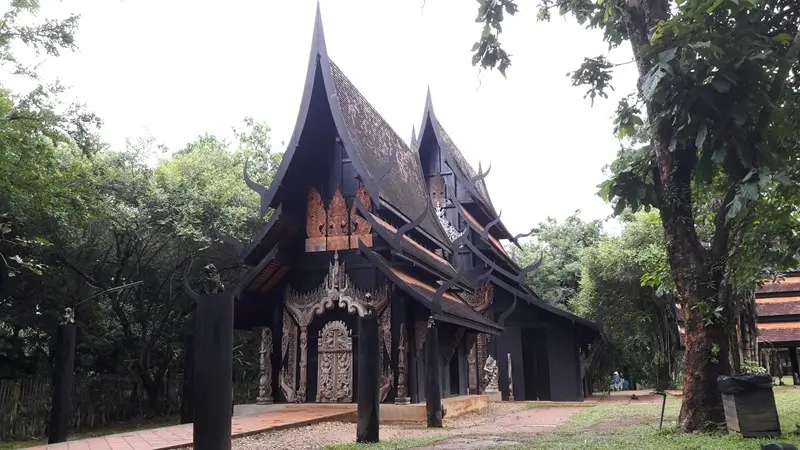
Baan Dam Museum in Chiang Rai – Photo Credit: chiangmaivoyage
– Wat Huay Pla Kang: Features a massive 9-story pagoda and a giant white statue of Guan Yin (often called the “Big Buddha”) that offers panoramic views of the city from its interior lift.
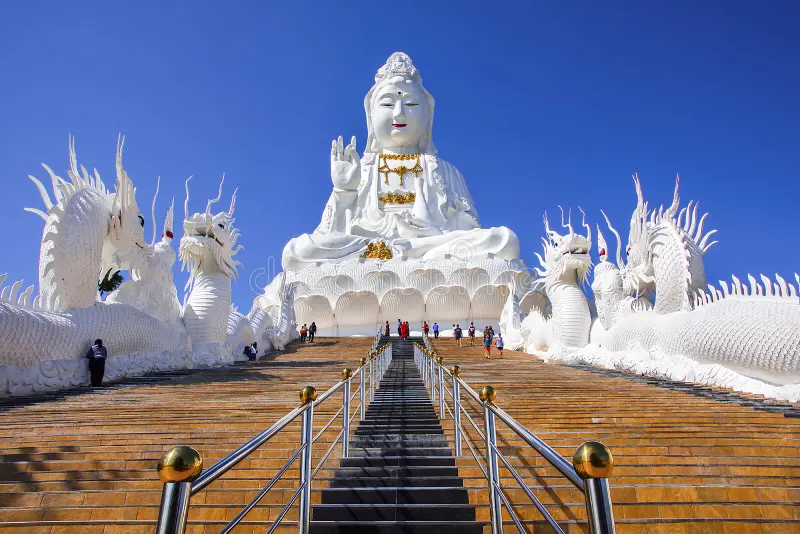
Wat Huay Pla Kang in Chiang Rai – Photo Credit: dreamstime
Nature & Scenic Parks:
– Singha Park: A massive 8,000-rai agricultural park featuring tea plantations, flower gardens, and family-friendly activities like zip-lining and animal feeding. It is a popular spot for sunset views and hosts an annual Hot Air Balloon Festival in February.
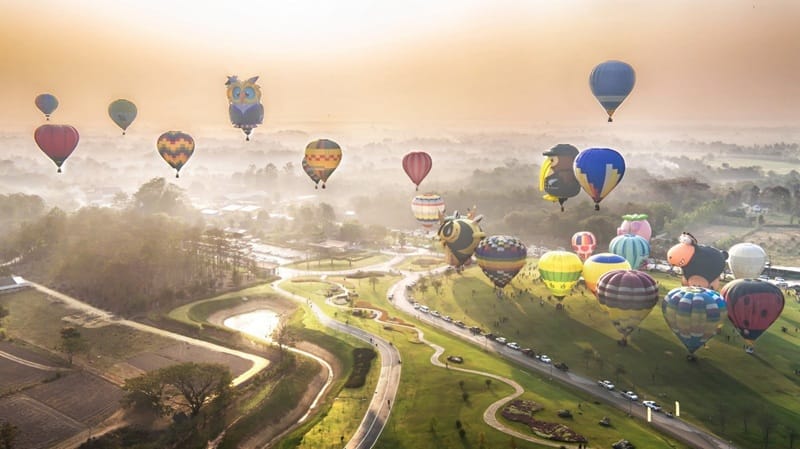
Singha Park – Photo Credit: mychiangmaitravel
– Choui Fong Tea Plantation: Located in the hills north of the city, this plantation offers beautifully manicured rows of tea plants and a modern cafe serving fresh green tea and desserts.
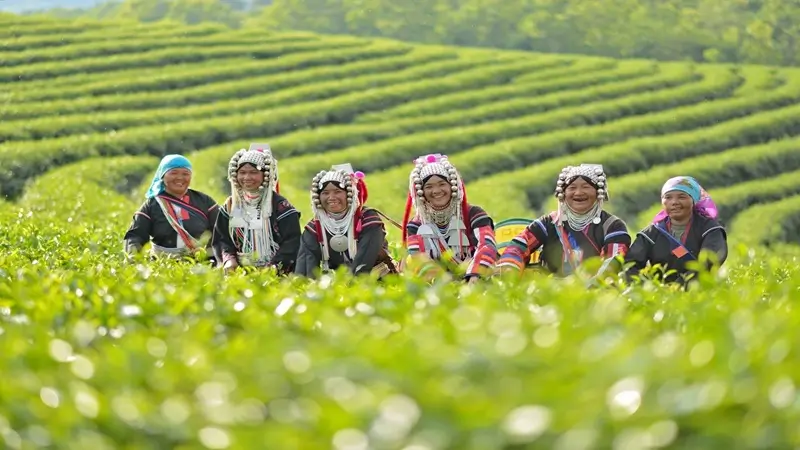
Choui Fong Tea Plantation – Photo Credit: gmholidays
– Khun Korn Waterfall: The tallest waterfall in the province at 70 meters. Reaching it requires a 1.5-kilometer forest hike from the park entrance.
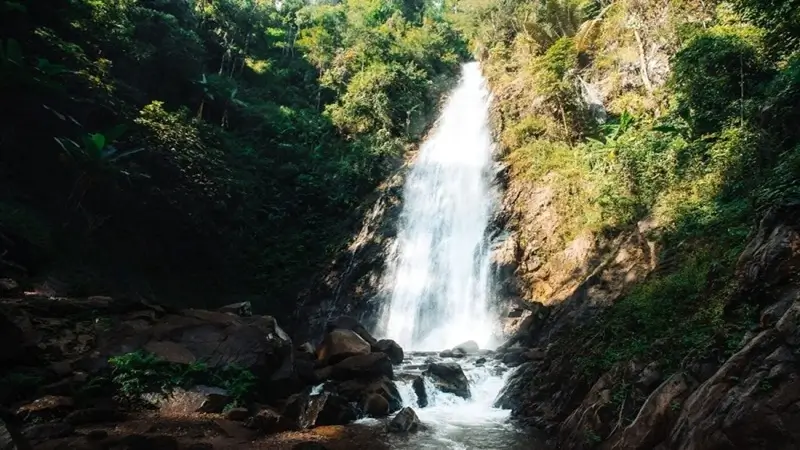
Khun Korn Waterfall – Photo Credit: asiakingtravel
– Doi Tung Royal Villa & Mae Fah Luang Garden: A former royal residence situated at a high altitude with cooler temperatures. It features meticulously maintained botanical gardens and a “Tree Top Walk”.
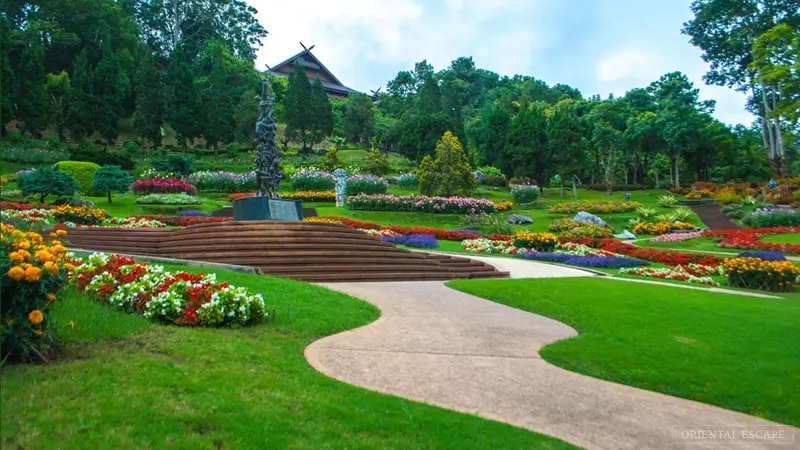
Doi Tung Royal Villa & Mae Fah Luang Garden – Photo Credit:
Culture & Border Experiences:
– The Golden Triangle: The historic meeting point of Thailand, Laos, and Myanmar along the Mekong River. Visitors can take boat trips on the river and visit the House of Opium Museum to learn about the region’s history with the opium trade.
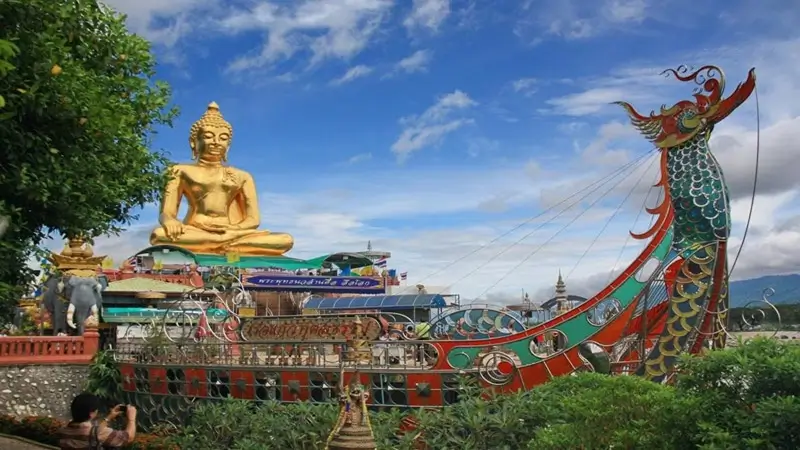
The Golden Triangle – Photo Credit: intcotravel
– Chiang Rai Night Bazaar: A lively daily market located in the city center (near the bus station), famous for its hot pots, live music, and handmade goods from local hill tribes.
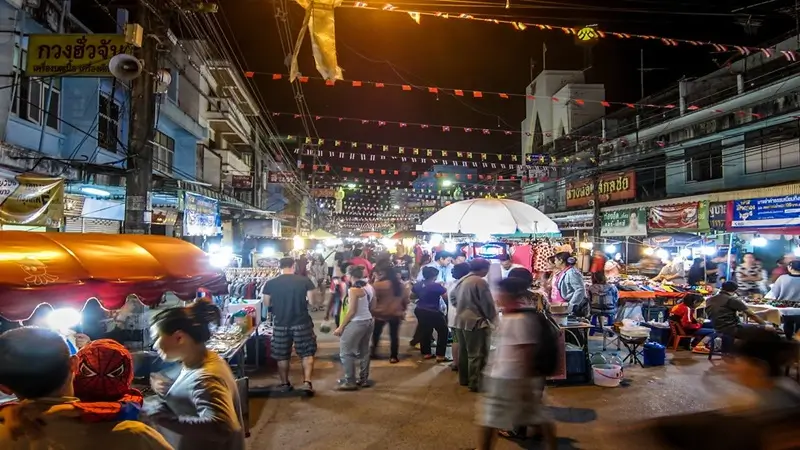
Chiang Rai Night Bazaar – Photo Credit: thaiunikatravel
– Clock Tower Light Show: Designed by the same artist as the White Temple, this ornate golden clock tower features a light and music show every night at 7:00, 8:00, and 9:00 PM.
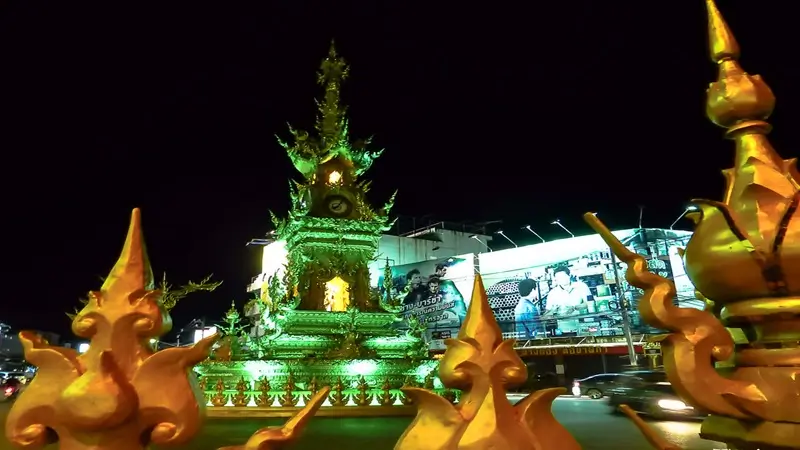
Clock Tower Light Show – Photo Credit: thaizer
– Hill Tribe Villages: Home to diverse groups like the Akha, Lahu, and Long Neck Karen. Respectful tours often include forest trekking and traditional bamboo cooking experiences.
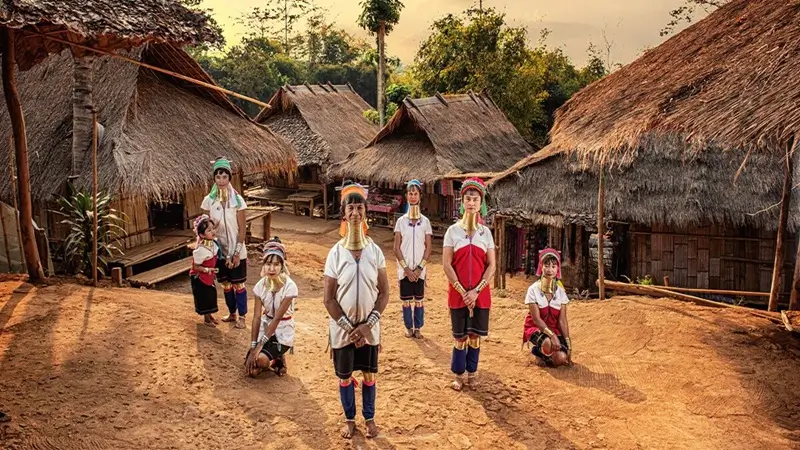
Hill Tribe Villages – Photo Credit: thebear
Chiang Rai Thailand Weather/Climate and Best Time to Visit:
Chiang Rai has a tropical climate with three distinct seasons. In 2026, the best time to visit is from November to early February, when the weather is at its most pleasant and outdoor conditions are optimal for exploring.
Seasonal Breakdown of Year:
– Cool Season (November – February):
+ Weather: Daytime temperatures are mild, ranging from 15°C to 28°C (59°F–82°F). Clear skies and low humidity make this the peak season for trekking and sightseeing.
+ Considerations: Evenings and mornings can be genuinely chilly (dropping to 10°C–13°C), so packing layers is essential. This is the busiest and most expensive time to visit.
– Hot Season (March – May):
+ Weather: Temperatures soar, often reaching 35°C to 40°C (95°F–104°F), particularly in April.
+ Burning Season: A critical factor from late February to April is the regional agricultural burning, which creates significant haze and poor air quality (PM2.5). Visibility can be low, and outdoor activity may be uncomfortable for those with respiratory sensitivities.
– Rainy Season (June – October):
+ Weather: Temperatures remain warm (25°C–32°C), but humidity is very high. Rain typically occurs in short, heavy bursts rather than all-day downpours.
+ Benefits: This is the “green season” where the landscape is at its lushest and waterfalls are most powerful. You will find lower prices on accommodation and fewer crowds.
Recommend Best Time to Travel to Chiang Rai
Priority | Best Months | Why? |
Ideal Weather | Nov – Jan | Cool, dry, and clear air; perfect for outdoor temples and mountain views. |
Festivals | April | Songkran (Thai New Year) features vibrant water fights despite the heat. |
| Budget & Nature | June – Oct | Lush green scenery and significantly lower hotel prices. |
| Clear Air | Avoid Mar – Apr | Peak of the burning season/smoke haze in Northern Thailand. |
Travel Tip: If visiting in early 2026, monitor air quality (AQI) reports starting in February, as the intensity of the smoke season can vary based on weather conditions.
Accommodation and Best Places to Stay in Chiang Rai Thailand:
Chiang Rai offers a range of accommodations, from high-end riverside resorts to central boutique hotels. The best place to stay depends on your priority: riverside tranquility for a resort feel or the city center for walking access to the Night Bazaar and Clock Tower.
Luxury Riverside Resorts:
These properties offer a more secluded atmosphere along the Kok River, though they are a short taxi ride from the main city center.
Le Méridien Chiang Rai Resort: A top-rated 5-star resort featuring a three-level outdoor infinity pool with river views and chic, spacious rooms.
The Riverie By Katathani: Located on a prime river bend in the city center, it is highly rated for families and offers sunset views and clean, expert service.
The Legend Chiang Rai Boutique River Resort & Spa: Features traditional Lanna architecture and a more intimate boutique feel on the riverbanks.
Riva Vista Riverfront Resort: A modern, scenic resort located near the Blue Temple, offering peaceful riverside dining and clean, stylist rooms.
Boutique Hotels (City Center): Ideal for those who want to be within walking distance of the Saturday Night Walking Street and local restaurants.
MORA Boutique Hotel: Frequently cited as one of the best in the city, offering a blend of elegant Thai hospitality, a gym, and a central location that remains quiet.
Le Patta Hotel: Located just 100 meters from the Night Bazaar. This hotel offers a peaceful courtyard pool and consistently high ratings for cleanliness.
SOOKNIRUND HOTEL: A historic, aesthetically pleasing property near the Clock Tower with a popular on-site restaurant and bar.
Nai Ya Hotel: A charming, newer boutique option that provides great value with a cozy atmosphere.
Budget & Social Stays (Hostels/Guesthouses):
Secret Corner Boutique Hostel: An exceptional 2-star property with a popular social rooftop and very high cleanliness ratings.
Saijai Cafe & Hostel: A top choice for backpackers, known for its relaxed atmosphere, on-site cafe, and central yet quiet location.
Baan Mai Kradan Hostel: Offers low-key dorms and private rooms in a renovated traditional house with free breakfast and loaner bikes.
Stay In Hostel: Highly recommended for its friendly hosts, communal kitchen, and proximity to city sights.
Unique Destinations (Outskirts:)
Four Seasons Tented Camp Golden Triangle: An ultra-luxury, all-inclusive experience 55km north of the city, featuring permanent tents and elephant interaction.
Anantara Golden Triangle Elephant Camp & Resort: Famous for its “Jungle Bubbles” where you can sleep amongst elephants in the Golden Triangle region.
Katiliya Mountain Resort & Spa: A mountain-side retreat about 30km from the city, ideal for those seeking forest views and seclusion.
Transportation and Getting Around in Chiang Rai Thailand:
Chiang Rai remains a compact city where the center is walkable. But its major landmarks are spread across the province, requiring motorized transport for most itineraries.
Ride-Hailing & Taxis:
Digital apps are the most reliable and transparent way to secure rides in the city.
– Grab: The primary app for cars and motorbikes; it is reliable for short city trips and airport transfers.
– Bolt & Maxim: Often offer lower fares than Grab but may have fewer available drivers.
– Metered Taxis: Available at the airport and bus terminals, though many drivers prefer to negotiate a flat fee for longer trips. A taxi to the city center costs roughly 200 THB ($6.50).
Local Public Transport:
– Tuk-Tuks: Plentiful in the city center for short journeys. Fares start around 30–50 THB but must be negotiated in advance.
– Songthaews (Shared Pickups): Blue minibuses run fixed routes between the two main bus terminals (Terminal 1 and Terminal 2) for approximately 15–25 THB per person.
– Local Buses: Inexpensive public buses depart from Bus Terminal 1
– (central) for specific attractions like the White Temple or Black House; tickets are about 40 THB.
Rentals & Private Drivers:
For flexibility when visiting remote sites like the Golden Triangle or Doi Tung, private options are recommended.
– Motorbike Rental: The most popular independent way to travel, costing roughly 250–300 THB per day. Valid licenses and helmets are required.
– Car Rental: Agencies like Budget and Avis are available at the airport. An International Driver’s Permit (IDP) is required.
– Private Charter: Hiring a car with a driver for the day is a stress-free option for families or groups, with fixed-itinerary services starting around 2,640 THB for a full-day tour.
Arriving & Departing:
– By Air: Mae Fah Luang-Chiang Rai International Airport (CEI)
– is about 8 km (5 miles) from the center. No active airport shuttle bus exists as of 2026; taxis or Grab are the main options.
– By Bus: The Greenbus service is the gold standard for travel from Chiang Mai (3.5–4 hours) or Bangkok (12 hours). We highly recommend to book these tickets in advance.
– By Train: There is no train station in Chiang Rai. Travelers must take a train to Chiang Mai and complete the journey by bus or private car.