Introduction about Krabi Thailand:
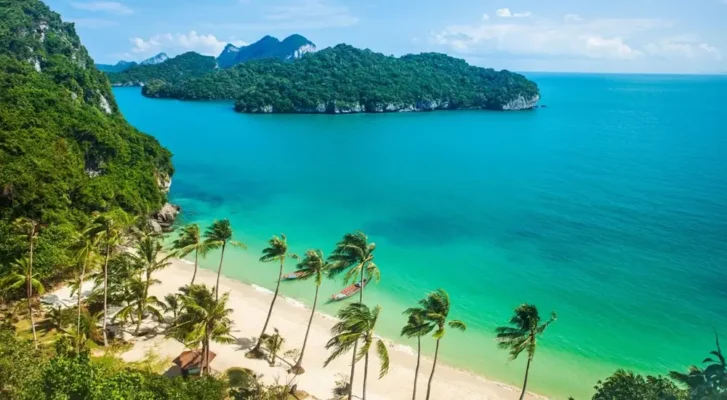
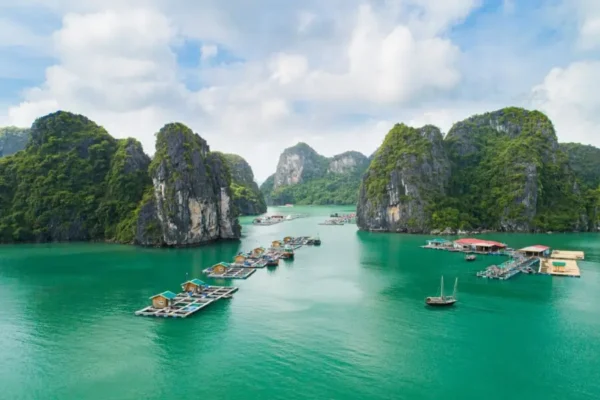
Krabi Thailand TravelGuide: Located on the west coast of southern Thailand along the Andaman Sea, Krabi is a province celebrated for its dramatic landscape of vertical limestone cliffs, turquoise waters, and over 150 offshore islands.
The population of Krabi depends on whether you are looking at the main town or the entire province:
Krabi Province: The total population is approximately 483,855 residents according to 2024 data from Wikipedia. This marks a steady increase from roughly 470,000 in 2017.
Krabi Town: The capital town itself has a significantly smaller population of approximately 32,644 as of 2020 estimates from Enjoy Travel.
Mueang Krabi District: The broader administrative district, which includes the town and surrounding areas like Ao Nang, has roughly 122,000 residents according to 2019 data from Data Commons.
The province is divided into eight districts, with the most populated being Mueang Krabi, followed by Khlong Thom and Nuea Khlong.
Brief History of Krabi Thailand:
Krabi Thailand has a deep history that spans from ancient prehistoric settlements to its establishment as a formal Thai province in the late 19th century.
Prehistoric Era (c. 25,000 – 35,000 BC):
Krabi is home to some of the oldest archaeological sites in Thailand.
– Early Humans: Stone tools, pottery, and skeletal remains found in caves like Lang Rong Rien suggest human habitation dating back over 30,000 years.
– Cave Art: Over 200 prehistoric paintings depicting humans and animals can be found at Tham Phi Hua To, dating back roughly 3,000 years.
Ancient Kingdoms and Trade:
For centuries, Krabi served as a strategic maritime hub for merchants from China, India, and the Malay Peninsula.
– Early Influence: The region was once a tributary to the Kingdom of Ligor (now Nakhon Si Thammarat) in the 13th century.
– The “Monkey” City: In ancient records, the area was known as Ban Thai Samor, one of twelve royal cities under the influence of major Thai kingdoms, using a monkey as its zodiacal symbol.
The Origin of the Name “Krabi” in Thailand:
There are two primary legends regarding the name, which means “sword” in Thai:
– The Sacred Swords: Villagers allegedly unearthed an ancient sword and presented it to the governor; when a second was found, he placed them crossed in a cave, forming the current provincial emblem.
– Linguistic Evolution: Another theory suggests it evolved from the local “Lumphi” tree, mispronounced by Malay and Chinese traders as “Ka-lu-bi,” eventually becoming “Krabi”.
Modern Provincial Establishment (1872–1900):
– Town Elevation: In 1872, King Rama V elevated the area (then known as Pakasai) to town status, naming it Krabi.
– Official Province: In 1875, Krabi was separated from Nakhon Si Thammarat to report directly to the central government in Bangkok.
– Relocation: In 1900, the provincial center was moved from its original inland site to the mouth of the Krabi River, where Krabi Town sits today.
Contemporary History:
– 2004 Tsunami: The coastline and islands, including Phi Phi, were severely damaged by the Indian Ocean Tsunami but have since been fully restored.
– Tourism Boom: Since the late 20th century, Krabi has transitioned from a fishing and agricultural hub (rubber and palm oil) into a global tourism destination.
What to See, Places to Visit and Best Things to Do:
Krabi is a natural wonderland offering a blend of stunning islands, jungle adventures, and cultural sites. Top things to see and do include island-hopping tours, climbing limestone cliffs, and exploring national parks.
Island Hopping and Beaches:
– Railay Beach: Only accessible by boat, this destination is famous for its dramatic limestone cliffs, beautiful sandy beaches (West Railay, East Railay, and Phra Nang Beach), rock climbing, and viewpoints.

Railay Beach in Krabi (Photo Credit: placesofjuma)
– Phi Phi Islands: A popular day trip destination known for its crystal-clear waters, vibrant marine life, the famous Maya Bay, and Pileh Lagoon, perfect for swimming and snorkeling.

Phi Phi Islands in Krabi (Photo Credit: weseektravel)
– Hong Island: Known as the “room island” due to its hidden tidal lagoon, it offers tranquil beaches, excellent snorkeling spots, and a panoramic viewpoint.

Hong Island in Krabi (Photo Credit: digitaltravelcouple)
– Four Islands Tour: This popular tour typically visits Koh Poda, Chicken Island (Koh Kai), Koh Tub, and Koh Mor, featuring white sand beaches and unique rock formations connected by a sandbar at low tide.
Inland Nature and Culture:
– Wat Tham Suea: A sacred Buddhist temple complex featuring a challenging 1,200+ step climb to the summit, which rewards visitors with breathtaking panoramic views of the surrounding jungle and mountains.

Wat Tham Suea in Krabi (Photo Credit: overatours)
– Emerald Pool: A natural, warm, mineral-rich pool with a vivid green hue, located within the Thung Teao Forest Natural Park. It’s a great spot for a refreshing swim after a walk through the lush forest trails.

Emerald Pool in Krabi (Photo Credit: kohtourkrabi)
– Khong Thom Nuea Hot Stream Waterfall Krabi: Natural thermal springs that have formed cascading tiers of hot tubs within the jungle, providing a relaxing natural spa experience.

Khong Thom Nuea Hot Stream Waterfall Krabi (Photo Credit: seasidethailandtour)
– Krabi Town Night Market: For an authentic local experience, visit the weekend night market (Friday to Sunday) to sample a wide array of traditional Thai street food, shop for souvenirs, and enjoy live music.

Krabi Town Night Market (Photo Credit: docdivatraveller)
Adventure and Activities:
– Rock Climbing: Railay and Tonsai beaches are world-class destinations for climbers of all levels, with numerous schools offering courses and guides.

Rock Climbing in Krabi (Photo Credit: kohtourkrabi)
– Kayaking: Explore the intricate mangrove forests of Ao Thalane or the calm waters around Railay Beach and the islands to see the dramatic limestone cliffs up close.

Kayaking in Krabi (Photo Credit: viagotour)
– Hiking: The Dragon Crest Mountain (Tab Kak Hang Nak Hill Nature Trail) offers a strenuous hike with one of the most rewarding and spectacular views in Krabi.

Hiking in Krabi Thailand (Photo Credit: mythailandtours)
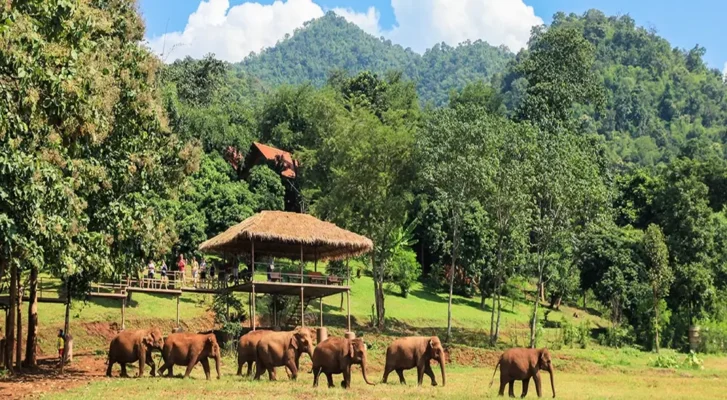
– Ethical Elephant Sanctuaries: Spend time feeding and bathing rescued elephants at an ethical sanctuary like the Krabi Elephant Sanctuary.

Ethical Elephant Sanctuaries in Krabi (Photo Credit: asiantrails)
Krabi Thailand Weather/Climate and Best Time to Visit:
Krabi Thailand, has a tropical monsoon climate, meaning it is hot and humid all year round with two main seasons: a dry season and a wet (monsoon) season.
The Best Time to Visit: Dry Season (November to March):
For Krabi Travel Guide, the ideal time to visit Krabi is during the dry season, when the weather is most settled, and conditions are perfect for outdoor activities.
– Weather: Expect abundant sunshine, minimal rainfall, lower humidity, and pleasant temperatures averaging between 24°C to 31°C (75°F to 88°F). February is often cited as the best single month due to minimal rain and excellent conditions.
– Activities: The seas are calm and clear, which is ideal for island hopping, snorkeling, diving, and other water sports.
– Considerations: This is the peak tourist season, so expect larger crowds and higher prices for flights and accommodation. Booking in advance is recommended.
Other Seasons to Travel to Krabi:
Hot Season/Shoulder Season (April and May):
– Weather: Temperatures climb to their highest during these months, often reaching up to 35°C (95°F), with increasing humidity. Occasionally, short-lived thundery showers start to occur.
– Considerations: This is a good time for budget travelers as prices are lower than the peak season. The Thai New Year festival (Songkran) with its playful water fights takes place in mid-April.
Rainy/Monsoon Season (June to October):
– Weather: This period sees heavier and more frequent rainfall, with September and October typically being the wettest months. However, rain often comes in short, heavy bursts, followed by periods of sunshine.
– Considerations: This is the low season, so prices for hotels and tours can be 30-50% lower. The landscapes are lush and green, and waterfalls are at their most spectacular. While some boat trips may cancel due to rougher seas, it offers a quieter, more relaxed experience for budget-conscious travelers and nature lovers.
Accommodation and Best Places to Stay in Krabi Thailand:
The best place to stay in Krabi depends on your travel style. Areas are ranging from lively tourist hubs to tranquil luxury escapes. Most accommodation options fall into the categories of hotels, resorts, guesthouses, and hostels, catering to all budgets.
Best Areas to Stay:
– Ao Nang: Ideal for first-time visitors seeking convenience, a wide range of restaurants, and easy access to boat trips to the islands. It’s a busy, central hub with options across all price ranges.
– Railay Beach: Perfect for couples and those wanting dramatic scenery and a relaxed, secluded atmosphere, as it’s only accessible by boat. It is famous for its limestone cliffs and offers a range of accommodation from budget bungalows to luxury resorts.
– Krabi Town: Recommended for budget travelers and those looking for an authentic Thai experience, local markets, and a quieter base away from the main beaches. It’s a transport hub for land excursions.
– Koh Lanta: A great choice for travelers seeking a very laid-back atmosphere with long beaches, fewer crowds, and a variety of resorts.
– Khlong Muang: Best for travelers seeking tranquility, luxury, and stunning sunset views. These areas host many high-end, romantic resorts and are much quieter than Ao Nang.
Transportation and Getting Around in Krabi Thailand:
Getting around Krabi is straightforward, with a variety of local transport options on the mainland. And also an extensive boat network for island access.
Arrival & Airport Transfers:
Krabi International Airport (KBV) is the main entry point. Upon arrival, you have two primary options for reaching your hotel in Krabi Town or Ao Nang:
– Shared Minibus/Shuttle Bus: The most cost-effective option. You can buy tickets in the arrival hall. A ride to Ao Nang costs around 150 baht per person, while Krabi Town is about 90 baht. The bus generally leaves when all seats are filled and drops passengers off at their hotels along the way.
– Private Taxi: A faster, more direct option. Taxis are available at a fixed-price stand in the arrival hall. The fare to Ao Nang is a standard 600 baht per car, and to Krabi Town is around 350 baht.
Getting Around the Mainland:
– Songthaews: These pickup trucks are with cover and benches in the back. And they are the most common form of public transport. They follow set routes (e.g., from Krabi Town to Ao Nang). And you can flag them down anywhere along the route. Fares are inexpensive (around 40-50 baht depending on distance). But you should confirm the price before boarding.
– Tuk-Tuks and Motorbike Taxis: Readily available in major tourist areas. Negotiate the fare before starting your journey, as they often don’t use meters. A ride within Ao Nang or Krabi Town can be relatively cheap, but prices can vary. Ride-hailing apps like Grab and Bolt also operate in Krabi.
– Rental Car/Motorbike: For those who want more flexibility, car and motorbike rentals are available at the airport and in tourist centers. Be sure to check insurance coverage and always wear a helmet if you rent a motorbike.
– Private Drivers: For day trips or specific itineraries, you can hire a private taxi driver for several hours or a full day (expect to pay around 3000-3500 baht for the day).
Traveling Between Islands and Beaches:
– Longtail Boats: These traditional boats are the essential mode of transport for island hopping and reaching otherwise inaccessible areas like Railay Beach (which has no road access). You can buy tickets from official booths at the piers in Ao Nang or Krabi Town. A one-way trip from Ao Nang to Railay Beach costs approximately 100 baht per person and takes about 15 minutes.
– Ferries and Speedboats: Larger ferries and speedboats connect Krabi to other major destinations like the Phi Phi Islands, Koh Lanta, and Phuket. You can easily book the tickets at local travel agencies or the piers.