Introduction about Siem Reap:
Siem Reap is a vibrant city in northwestern Cambodia, widely celebrated as the primary gateway to the world-renowned Angkor Archaeological Park. Its name translates to “Siam Defeated,” commemorating a historic 16th-century Khmer victory over the Siamese empire.
History Information of Siem Reap:
The history of Siem Reap is defined by its rise as a magnificent imperial capital, a long period of regional conflict, and its modern revival as a global cultural hub:
The Angkor Empire (9th – 15th Century):
For centuries, this region was the heart of the Khmer Empire. Successive kings built vast water management systems and grand stone temples, including Angkor Wat, the world’s largest religious monument. At its peak, the capital area supported a population of over one million people, making it one of the largest pre-industrial cities in the world.
Period of Decline and Colonial Rule:
Following the decline of the Khmer Empire in the 15th century, the capital moved south toward modern-day Phnom Penh, and the Angkor region was largely reclaimed by the jungle.
– The Name: “Siem Reap” translates to “Siam Defeated.” It is traditionally said to commemorate a 16th-century victory by King Ang Chan over an invading Siamese (Thai) army.
– Siamese Administration: From 1795 to 1907, the province was under the control of Siam (Thailand) and was known as “Inner Cambodia”.
– French Intervention: In 1907, the province was ceded back to Cambodia (then a French protectorate). French explorers and the École Française d’Extrême-Orient (EFEO) began clearing the jungle to restore the temples, sparking the first wave of international tourism in the 1920s.
Modern History and Recovery:
– The Khmer Rouge (1975–1979): Like the rest of Cambodia, Siem Reap suffered immensely under the Khmer Rouge regime. The city was evacuated, and residents were forced into agrarian labor in the countryside.
– Long Civil War: Even after the regime fell in 1979, the region remained a stronghold for Khmer Rouge insurgents. Stability did not fully return until the late 1990s.
– 21st Century Growth: Since the early 2000s, Siem Reap has transformed from a sleepy town into a bustling tourism gateway. In 2025, it remains Cambodia’s most visited destination, supported by infrastructure like the Siem Reap-Angkor International Airport, which opened in late 2023.
What to See, Places to Visit and Things to Do?
The best things to do in Siem Reap center around exploring the ancient wonders of the Angkor Archaeological Park, experiencing local Cambodian culture, and enjoying a vibrant nightlife.
Siem Reap is most famous for the ancient Angkor Wat temple complex, but it also offers a wide variety of cultural, historical, and natural attractions beyond the ruins.
Ancient Temples & Historical Sites:
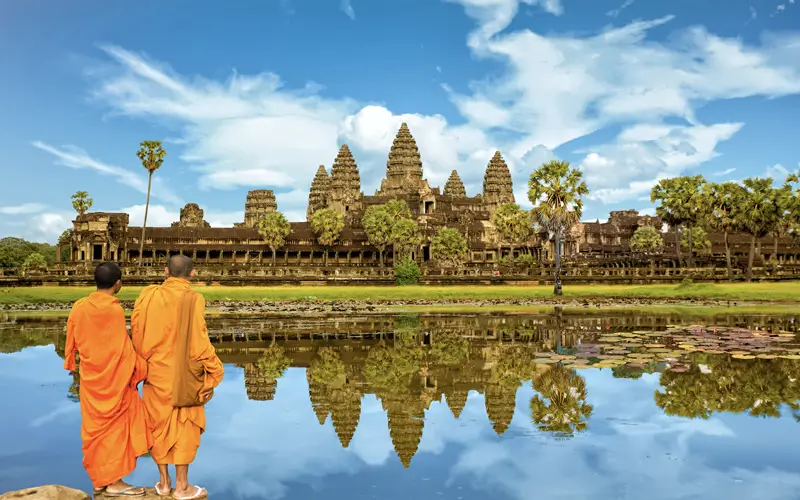
Angkor Wat:
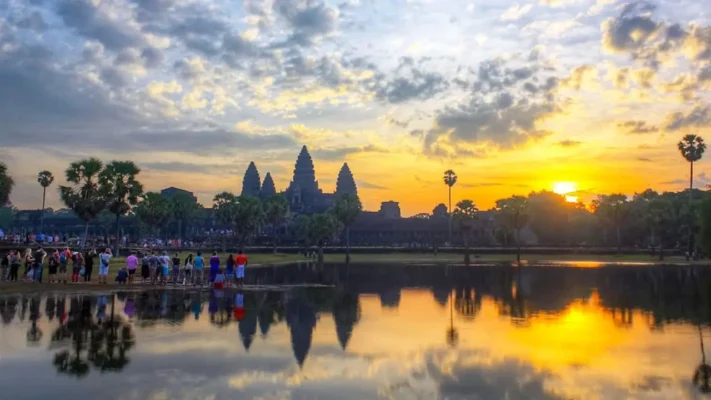
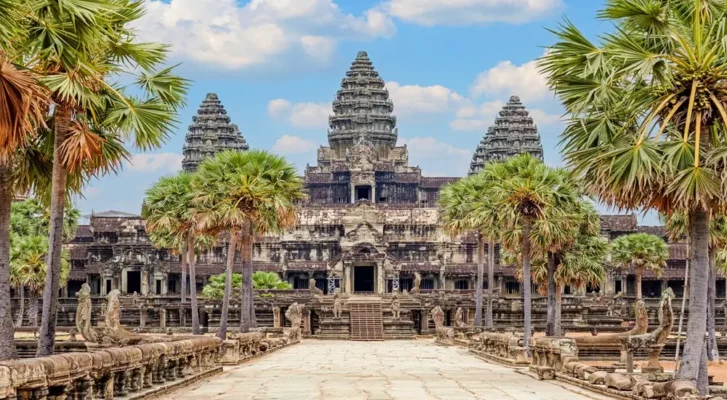
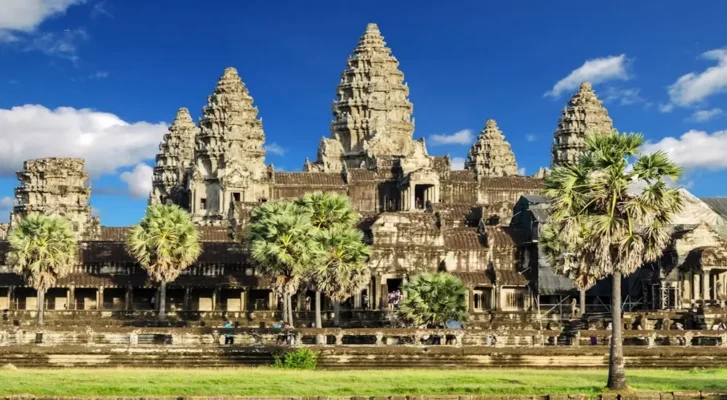
It is the largest religious monument in the world and the main reason for most visits to Siem Reap. It is famous for its incredible architecture, intricate carvings, and breathtaking sunrise views. The entire complex is a UNESCO World Heritage site.
Bayon Temple:
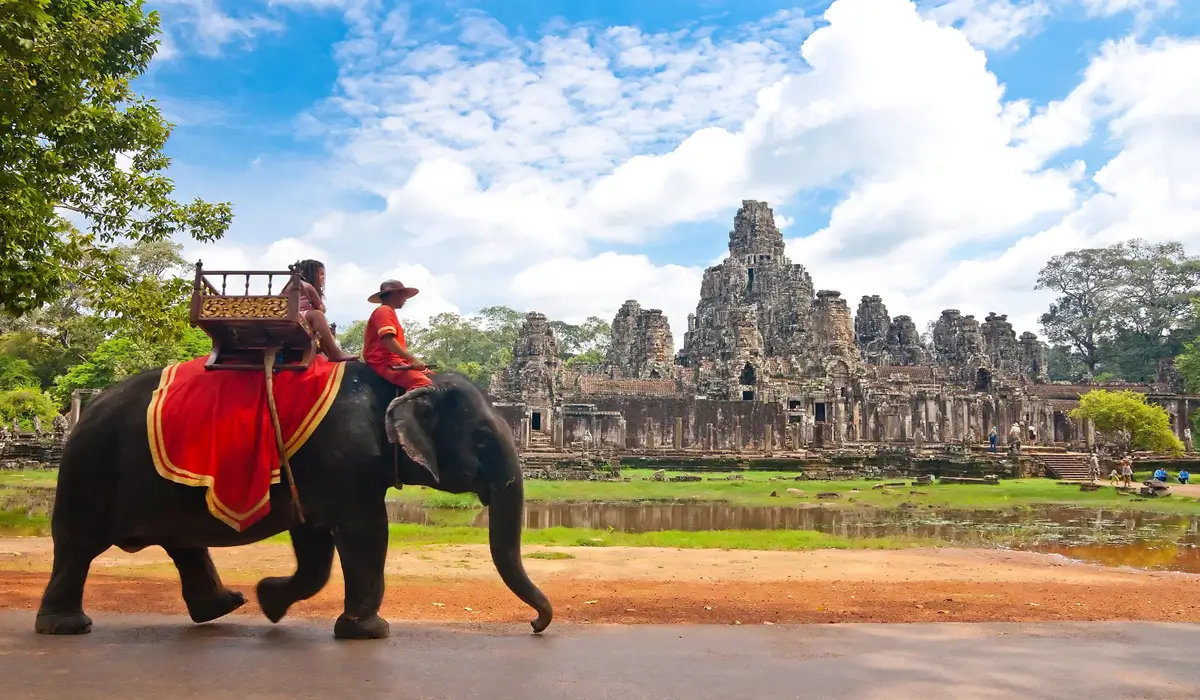
Located within the ancient walled city of Angkor Thom, this temple is famous for its 54 towers adorned with giant, smiling stone faces.
Ta Prohm Temple:
Known as the “Tomb Raider” temple, it is uniquely preserved in a state where massive tree roots intertwine with the ancient stone structures, offering a haunting, natural beauty.
Banteay Srei:
Banteay Srei: A 10th-century Hindu temple carved from pink sandstone, renowned for its incredibly detailed and well-preserved relief carvings, often called the “jewel of Khmer art”.
Cambodia Landmine Museum:
Founded by ex-child soldier Aki Ra, this important museum provides a sobering look at Cambodia’s history with landmines and the ongoing demining efforts. A visit directly supports the cause and is a powerful experience.
Culture & Nature Attractions:
Kampong Phluk Floating Village:
Located on the Tonlé Sap Lake, this village features houses built on towering stilts that are submerged during the wet season. Boat tours offer a unique glimpse into local life and the flooded mangrove forests.
Phnom Kulen National Park:
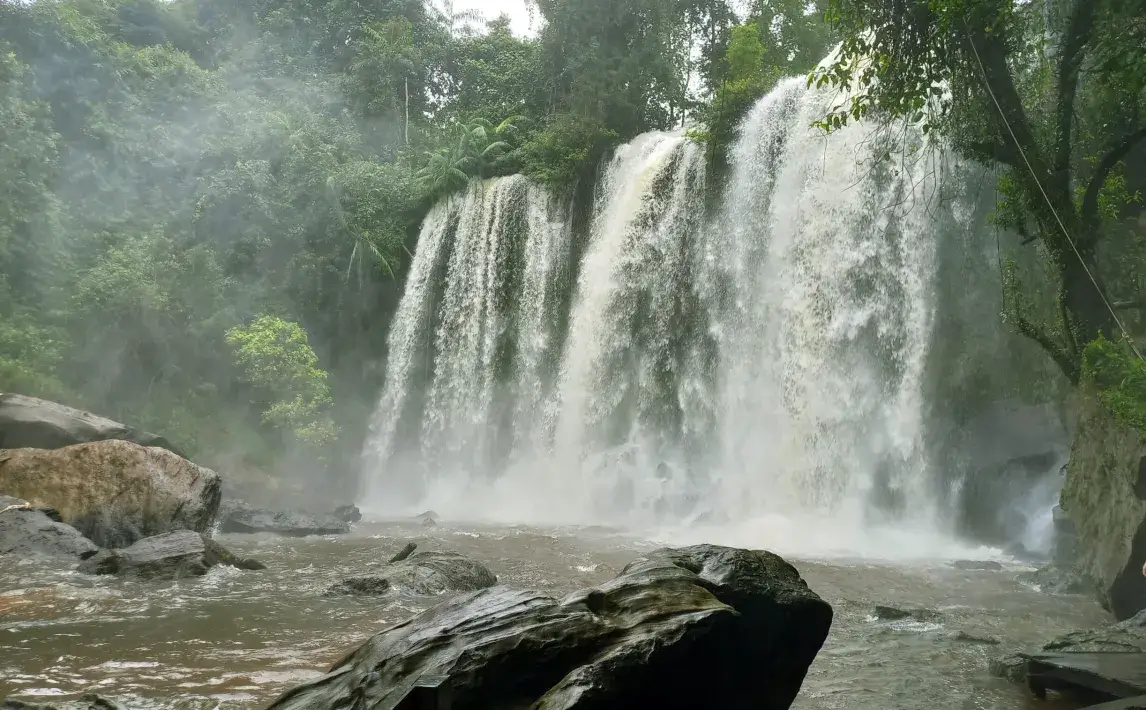
This is a sacred mountain in Cambodia, it features a giant reclining Buddha statue, the “River of a Thousand Lingas” (where carvings adorn the riverbed), and beautiful waterfalls perfect for swimming and picnics.
Phare, The Cambodian Circus:
This acclaimed circus provides a unique blend of theater, acrobatics, and storytelling to convey Cambodian history and culture. Proceeds help support local youth.
Local Markets & Pub Street:
For a lively atmosphere, explore the bustling Pub Street area for diverse dining and nightlife options, or browse the Made in Cambodia Market and the Old Market (Psar Chaa) for local handicrafts, souvenirs, and street food.
Angkor Silk Farm:
Learn about the traditional process of silk production, from raising silkworms in mulberry fields to weaving intricate patterns. Guided tours are often free and offer insight into local craftsmanship.
Siem Reap Weather/Climate and Best Time to Visit:
The best time to visit Siem Reap is from November to February, during the dry season, when the weather is most comfortable for exploring the outdoor temples. City of Siem Reap has a tropical climate with two distinct seasons: dry (November-April) and rainy (May-October).
Siem Reap Weather Overview:
Siem Reap Climate remains hot throughout the year, with average temperatures usually ranging from 25°C to 35°C (77°F to 95°F). The primary difference between seasons is the amount of rainfall and humidity.
- Dry Season (November – April): This season is characterized by minimal rainfall, lower humidity, and pleasant temperatures, making it ideal for outdoor activities and photography.
- Rainy Season (May – October): This period brings more frequent, heavy downpours, typically in the afternoons. While wet, the rain transforms the countryside into a lush, vibrant green landscape, and the temple moats fill with water, offering unique photographic opportunities.
Recommendations:
- For the best weather and comfort: Plan your trip for December or January. The temperatures are the coolest and driest of the year, although this means you will encounter the most tourists.
- For fewer crowds and lush scenery: Consider visiting during the shoulder months of November or October. You’ll get the benefit of the green landscape from the rainy season without the peak rainfall, and crowds are more manageable.
- For budget travelers: The rainy season (May-October) offers the best value, with significant discounts on hotels and tours.
- If you don’t mind intense heat: The months of April and May are the hottest but least crowded, perfect for those who can handle the heat and want to explore the temples with more solitude.
Accommodation and Best Places to Stay in Siem Reap:
The best place to stay in Siem Reap depends on your budget and desired atmosphere. The most popular areas offer a wide range of accommodation, from luxury resorts near the temples to budget hostels near the nightlife. Here are some of the popular Areas to Stay
- Old Market Area (City Center): This is the bustling tourist hub, home to Pub Street, night markets, restaurants, and bars that stay open late. It is a great location for dining, shopping, and nightlife, with a mix of budget guesthouses and mid-range hotels.
- Wat Bo Road & Riverside: This area offers a better balance of tranquility and accessibility. It’s a short walk to the main action but provides a quieter setting with a blend of local culture, cheaper accommodation, and boutique hotels.
- Airport Road / Near Angkor Wat: Luxury travelers often prefer the hotels along Airport Road or closer to the Angkor temple complex. This area is more peaceful and home to expansive resorts offering high-end amenities and quick access to the ruins, though it’s further from the city center nightlife.
Transportation and Getting Around in Siem Reap:
Getting around Siem Reap is straightforward, affordable, and easy to navigate. The primary method for tourists is the tuk-tuk, but options range from budget-friendly bicycles to private, air-conditioned cars:
Getting To Siem Reap City:
By Air: The main entry point is the modern Siem Reap-Angkor International Airport (SAI).
Airport Transfer: An official shuttle bus runs to the city center for a low cost. They will drop you near the Wat Bo area. A tuk-tuk from the airport to the city center costs around $9, while a taxi costs around $10.
By Bus: Comfortable sleeper buses and minivans connect Siem Reap with Phnom Penh (approx. 5-6 hours) and other Cambodian cities. This is a very popular and cost-effective option.
By Ferry: A scenic, but often slower. Ferry service runs between Phnom Penh and Siem Reap across the Tonlé Sap Lake. Schedules can be weather-dependent.
Getting Around Siem Reap and Angkor Wat:
Tuk-Tuks: This is the quintessential mode of transport and the most common way to explore the temples in Siem Reap Cambodia. They have cover roof with trailers, and a motorbike to pull it. It offers protection from the sun and an open view.
Ride-Hailing Apps: Apps like Grab and PassApp are very popular in the city for short, fixed-price rides. The costs are cheaper and more transparent than hailing a tuk-tuk on the street, reducing the need for negotiation.
Private Cars/Taxis: For air-conditioned comfort, especially on hot days or for trips to distant temples. You can hire a private car or van with a driver to travel in Siem Reap Cambodia.
Bicycles and E-bikes: For the budget-conscious or fit traveler, cycling is a fantastic option, particularly around the main temple circuits.
Some Travel Tips for Transportation in Siem Reap Cambodia:
- Negotiate First: Always agree on the price with a tuk-tuk or taxi driver before starting your journey to avoid confusion.
- Stay Hydrated: The heat can be intense. Most temple drivers provide complimentary cold water and sometimes towels as part of their service.
- Start Early: Starting your temple tours early helps beat the heat and the crowds.